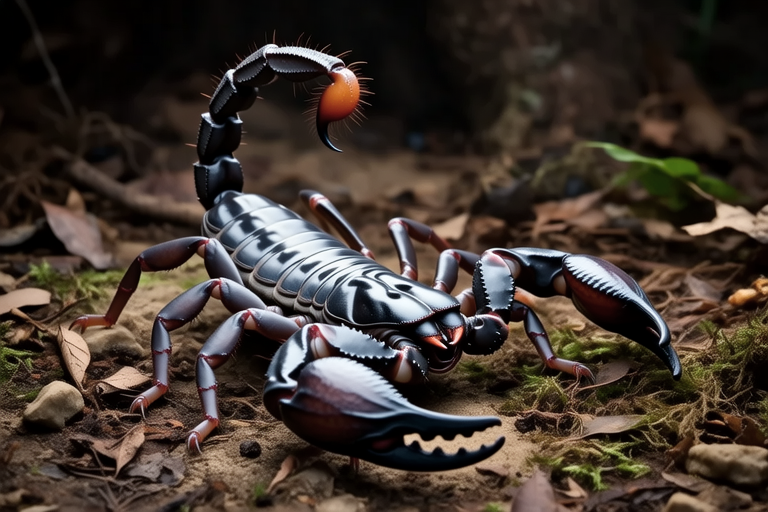
The Hidden Talents of the Heterometrus Spinifer: A Spectacular Spider Beyond Its Appearance
The Heterometrus spinifer, commonly known as the spiny forest scorpion, is a fascinating arachnid native to Southeast Asia. While its impressive appearance has often been the center of attention, this species harbors many unique and lesser-known abilities that extend far beyond its striking looks. From its adaptive behaviors to its crucial role in ecosystems and contributions to scientific research, the Heterometrus spinifer is a remarkable creature worthy of deeper exploration.
Adaptive Behaviors and Survival Tactics
Surviving in the dense, humid forests of Southeast Asia requires a set of specialized skills. The Heterometrus spinifer has evolved several adaptive behaviors to thrive in its environment. One of its most notable adaptations is its ability to withstand extreme weather conditions. This scorpion can endure long periods of drought by reducing its metabolic rate and entering a state of dormancy. During these dry spells, it burrows deep into the soil, where it remains hidden until more favorable conditions return.
Another crucial adaptation is its nocturnal lifestyle. By being active during the night, the Heterometrus spinifer avoids the intense heat of the day and reduces competition for resources with other predators. Additionally, its dark exoskeleton provides excellent camouflage against the shadows of the forest floor, making it difficult for both prey and potential threats to spot it.
Hunting Techniques
The Heterometrus spinifer is a formidable hunter, employing a variety of techniques to catch its prey. It primarily feeds on insects, but it also preys on small vertebrates such as frogs and lizards. Using its powerful pincers, it captures and immobilizes its victims before injecting them with venom through its stinger. This venom contains a cocktail of neurotoxins that paralyze the prey, allowing the scorpion to consume it at its leisure.
Interestingly, the Heterometrus spinifer is not limited to ambush hunting. It can also actively pursue its prey, using its keen sense of smell and touch to track down potential meals. Its sensory organs, located on its pedipalps and legs, allow it to detect even the slightest movements in the surrounding environment. This heightened awareness gives it a significant advantage when hunting in the dense undergrowth of its habitat.
Defensive Mechanisms
Despite its impressive hunting prowess, the Heterometrus spinifer must also be vigilant against larger predators. To protect itself, it has developed several defensive mechanisms. Its primary defense is its potent venom, which can deter most would-be attackers. However, if threatened, it will also display aggressive behavior, raising its tail and waving it menacingly. This posture serves as a warning to potential predators, signaling that it is ready to strike.
In addition to its venom and aggressive stance, the Heterometrus spinifer has another layer of protection: its spiny exoskeleton. These spines, which give the species its name, serve as a physical barrier against predators. They can cause injury to those who attempt to handle the scorpion, further discouraging attacks. Moreover, the spines help the scorpion dig efficiently, creating burrows that offer refuge from both predators and harsh environmental conditions.
Role in Ecosystems
The Heterometrus spinifer plays a vital role in maintaining the balance of its ecosystem. As a predator, it helps control the populations of various insect species, preventing overpopulation and the subsequent depletion of resources. This, in turn, supports the overall health of the forest ecosystem. Furthermore, its burrowing activities contribute to soil aeration, promoting better nutrient cycling and plant growth.
Despite its importance, the Heterometrus spinifer faces threats from habitat destruction and fragmentation due to deforestation and urbanization. Conservation efforts are essential to ensure the continued existence of this species and the preservation of the ecosystems it inhabits.
Contributions to Scientific Research and Medical Advancements
The venom of the Heterometrus spinifer has garnered significant interest among scientists and researchers. Studies have shown that certain components of its venom possess analgesic properties, making it a promising candidate for pain management therapies. Researchers are exploring how these compounds can be synthesized and utilized to develop new medications that could revolutionize the treatment of chronic pain.
Moreover, the venom’s neurotoxic elements are being investigated for their potential applications in neurobiology research. Understanding how these toxins interact with neural pathways could lead to breakthroughs in treating neurological disorders and diseases. The study of venomous creatures like the Heterometrus spinifer continues to provide valuable insights into the complexities of biological systems.
Myths and Misconceptions
One common myth about the Heterometrus spinifer is that its sting is lethal to humans. While its venom is potent and can cause severe pain, it is generally not life-threatening to healthy adults. However, individuals with compromised immune systems or allergic reactions may experience more serious symptoms. It is important to exercise caution and respect when encountering this species in its natural habitat.
Another misconception is that the Heterometrus spinifer is highly aggressive towards humans. In reality, these scorpions prefer to avoid contact with people and will only attack if they feel threatened. Encounters with humans are usually accidental, and the scorpion’s primary focus remains on finding food and shelter.
Interactions Within Its Natural Habitat
The Heterometrus spinifer interacts with numerous other species within its habitat, forming complex relationships that contribute to the overall biodiversity of the ecosystem. It shares its environment with a wide range of insects, reptiles, and amphibians, all of which play essential roles in maintaining ecological balance.
For instance, the Heterometrus spinifer coexists with various species of ants, which compete for similar food sources. These interactions drive evolutionary adaptations in both parties, leading to the development of more efficient hunting strategies and defensive mechanisms. Similarly, its interactions with frogs and lizards influence population dynamics and contribute to the intricate web of life within the forest.
Conclusion
The Heterometrus spinifer is much more than just a visually striking spider. Its adaptive behaviors, survival tactics, and contributions to scientific research and medical advancements highlight the importance of studying and conserving this remarkable species. By understanding the unique talents of the Heterometrus spinifer, we gain valuable insights into the interconnectedness of life and the delicate balance of ecosystems. Let us continue to appreciate and protect this fascinating creature for generations to come.
