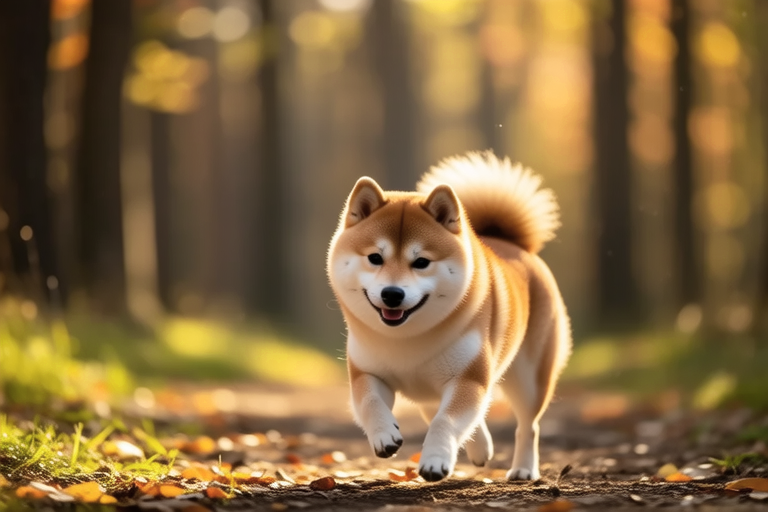
Shiba Inus: Why These Dogs Are More Than Just Adorable
The Shiba Inu, often hailed for its striking appearance, is much more than just a cute face. This ancient breed has a rich history and unique traits that make it an exceptional companion. From their origins in Japan to their modern-day roles in families, these dogs offer much more than meets the eye.
A Rich History
The Shiba Inu, one of the oldest breeds native to Japan, dates back over 3,000 years. Originating from the mountainous regions of Honshu, they were initially bred for hunting small game and birds. Their name, “Shiba,” means brushwood, referring to the dense forests where they thrived. The breed nearly went extinct during World War II due to bombing raids and canine distemper outbreaks. However, a few dedicated breeders managed to preserve the lineage, leading to the robust and resilient Shiba Inus we know today.
Unique Characteristics
Beyond their iconic red coats, Shibas possess several distinctive features. They have a compact, muscular build with a thick double coat designed for cold weather. Their almond-shaped eyes exude intelligence, while their curled tails add to their charming appearance. One of the most notable aspects of the Shiba Inu is their independent spirit. Unlike many other breeds, they are not overly dependent on human interaction, which can be both a blessing and a challenge for owners.
Temperament
Shibas are known for their aloof nature, making them excellent watchdogs but less enthusiastic greeters. While they may not be the first to jump into your arms, they form deep bonds with their family members. Studies show that Shibas are particularly loyal to children, often acting as gentle protectors. Their independence allows them to thrive in various environments, from bustling cities to serene countryside homes.
Intelligence and Training Requirements
Shibas are highly intelligent dogs, which can sometimes make training challenging. They are quick learners but also prone to selective obedience, meaning they may choose not to follow commands if they feel it’s unnecessary. Positive reinforcement and consistency are key when training a Shiba Inu. Many owners find clicker training effective, as it rewards good behavior immediately. Despite their independent streak, Shibas excel in agility and obedience competitions, showcasing their intelligence and adaptability.
Role in Families
In families, Shibas serve as loyal companions who provide comfort and protection. Anecdotes abound of Shibas standing guard over their owners, whether it’s a child playing outside or a pet parent working from home. Their protective instincts are balanced by a playful demeanor, making them great playmates for kids. Shibas also get along well with other pets, especially when introduced early. Their adaptability means they can fit seamlessly into households with different lifestyles, from busy city dwellers to retirees seeking a quiet companion.
Common Health Issues
Like all breeds, Shibas are prone to certain health issues. Hip dysplasia, patellar luxation, and progressive retinal atrophy (PRA) are among the conditions to watch for. Regular veterinary check-ups and a healthy diet can help mitigate these risks. Some Shibas may also suffer from food allergies, which can manifest as skin irritations or digestive problems. It’s essential for owners to be vigilant about their dog’s overall health and consult a vet if any symptoms arise.
Grooming Needs
The Shiba Inu’s double coat requires regular grooming to maintain its health and appearance. Brushing once or twice a week helps prevent matting and keeps shedding under control. Shibas typically shed heavily twice a year, during seasonal changes. Bathing should be done sparingly, as frequent washing can strip the coat of its natural oils. Professional grooming may be necessary for stubborn knots or during heavy shedding periods. Owners should also pay attention to dental hygiene, brushing their Shibas’ teeth regularly to prevent gum disease.
Dietary Considerations
Feeding a Shiba Inu requires careful consideration to ensure optimal health. High-quality dog food that meets their nutritional needs is essential. Many Shibas are sensitive to grains, so grain-free options may be preferable. Protein-rich foods that support muscle development and energy levels are ideal. Owners should avoid overfeeding, as Shibas are prone to obesity, which can lead to joint problems and reduced lifespan. Consulting a veterinarian for personalized dietary advice is always recommended.
Anecdotes and Studies Highlighting Loyalty and Adaptability
One touching story involves a Shiba Inu named Hachiko, whose loyalty to his owner became legendary. Although not directly related to the modern Shiba Inu, this tale underscores the breed’s inherent loyalty. Studies have shown that Shibas can adapt to various living situations, from apartment life to rural settings. Their ability to adjust to different environments makes them versatile companions. Another study revealed that Shibas often form strong attachments to specific family members, demonstrating their selective yet profound loyalty.
Conclusion
The Shiba Inu is more than just a cute dog; it’s a breed with a rich history, unique characteristics, and exceptional qualities that make it a standout companion. Whether you’re a seasoned dog enthusiast or considering adding a Shiba Inu to your family, understanding their background, temperament, and care needs will ensure a rewarding relationship. With proper training, health management, and love, Shibas can bring joy and loyalty to any household.
