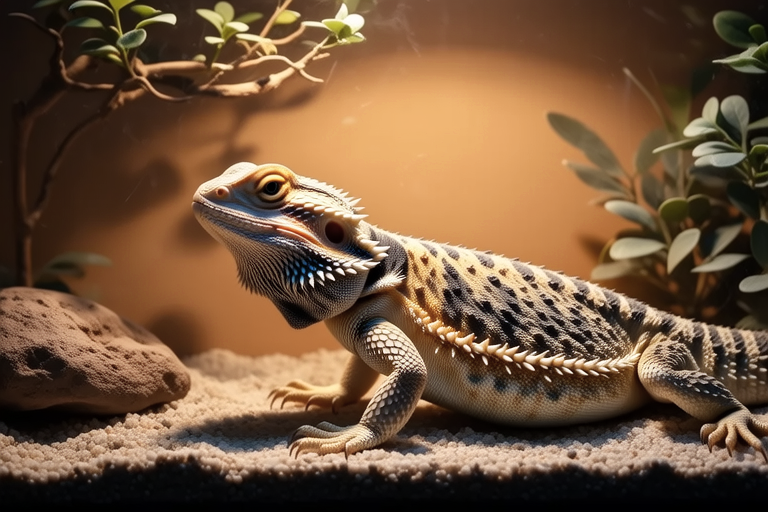
Transforming Your Home into a Bearded Dragon Paradise
Welcome to the fascinating world of bearded dragons! These charismatic reptiles have captured the hearts of many reptile enthusiasts with their docile nature and striking appearance. If you’re considering adopting a bearded dragon or looking to enhance your current setup, this guide will help you create the perfect habitat that meets all their needs. From choosing the right tank size to setting up proper heating and lighting, we’ll cover everything you need to know to transform your home into a bearded dragon paradise.
Choosing the Right Tank Size
The first step in creating a comfortable environment for your bearded dragon is selecting an appropriately sized enclosure. A 40-gallon breeder tank is ideal for adult dragons, providing ample space for movement and exploration. Juveniles can start in smaller enclosures but should be moved to larger tanks as they grow. Always ensure there’s enough room for your dragon to stretch out fully, especially if it’s an adult.
Heating and Lighting Requirements
Bearded dragons are ectothermic, meaning they rely on external heat sources to regulate their body temperature. Maintaining the correct temperature gradient is crucial for their overall health. Install a basking spot on one end of the tank with a temperature ranging between 95°F and 110°F (35°C – 43°C). The cooler side should remain around 75°F to 85°F (24°C – 29°C).
UVB lighting is equally important, as it helps bearded dragons synthesize vitamin D3, which aids in calcium absorption. Use a high-quality UVB bulb designed specifically for reptiles, and replace it every six months. Position the light so that it covers at least half of the tank, allowing your dragon access to direct sunlight-like conditions.
Substrate Options
Selecting the right substrate is essential for preventing impaction and keeping your dragon healthy. Avoid substrates like sand, gravel, or wood chips, as these can lead to digestive issues if ingested. Instead, opt for safer alternatives such as paper towels, reptile carpet, or calcium sand specifically formulated for bearded dragons.
Hiding Spots and Feeding Areas
Providing hiding spots and designated feeding areas enriches your dragon’s environment and promotes natural behaviors. Incorporate caves, tunnels, or even cardboard boxes lined with towels as hiding spots. Ensure these are large enough for your dragon to fit comfortably inside. For feeding areas, consider placing a shallow dish filled with calcium powder nearby to encourage dusting insects before meals.
Maintaining Optimal Temperature Gradients, UVB Lighting, and Humidity Levels
Consistently monitor and maintain optimal temperature gradients throughout the day. Use thermometers strategically placed across different zones within the tank to ensure accurate readings. Similarly, regularly check the intensity of UVB lighting by using a UV meter; adjust positioning if necessary to achieve consistent exposure.
Humidity levels should generally stay low, typically between 30% and 40%. High humidity can lead to respiratory infections, while too dry conditions may cause shedding difficulties. Employ a hygrometer to measure humidity accurately and mist lightly during shedding periods only.
Selecting Safe Decorations and Ensuring a Clean Environment
When decorating your dragon’s habitat, prioritize safety over aesthetics. Choose non-toxic plants and branches that won’t splinter easily under pressure. Smooth rocks and driftwood make excellent climbing structures, adding both enrichment and visual appeal. Avoid sharp edges or materials that could pose choking hazards.
Regular cleaning routines keep your dragon’s environment fresh and free from harmful bacteria. Spot-clean daily by removing uneaten food and waste. Perform thorough cleans once weekly, including washing all accessories with mild soap and rinsing thoroughly before returning them to the tank.
Monitoring Your Pet’s Health and Behavior Within Its New Setup
Closely observe your dragon’s behavior after setting up its new home. Healthy dragons exhibit alertness, active movement, and regular eating habits. Monitor appetite closely; sudden changes might indicate stress or illness. Keep track of weight fluctuations using a digital scale placed near the tank for easy access.
If you notice any concerning signs such as lethargy, loss of appetite, or abnormal skin coloration, consult a veterinarian specializing in reptiles immediately. Early intervention often leads to better outcomes when addressing potential health issues.
Conclusion
By following these guidelines, you’ll create a thriving environment where your bearded dragon can flourish. Remember that creating a bearded dragon paradise requires ongoing attention and care. Regular maintenance ensures your pet remains happy and healthy throughout its life. Enjoy watching your little friend thrive in its new home!
