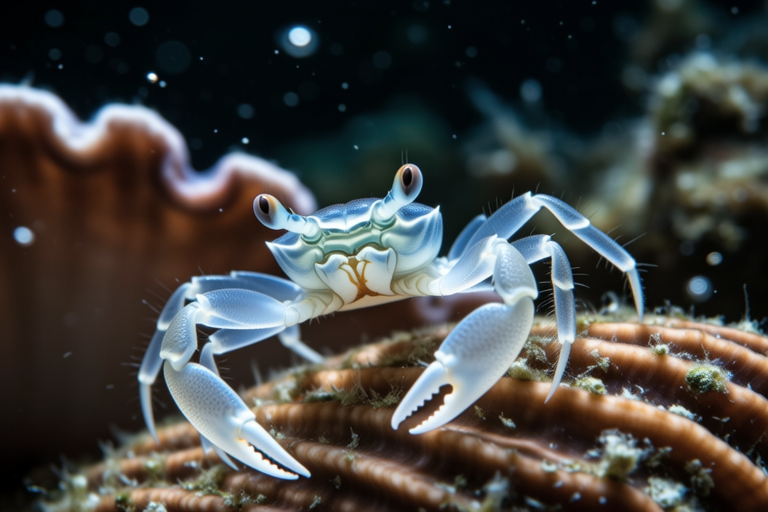
Meet the Tiny Pea Crab: The Microscopic Marvel of the Sea
In the vast ocean, where colossal creatures like whales and sharks dominate headlines, there exists a world of microscopic marvels that often goes unnoticed. Among these minuscule wonders is the pea crab, a diminutive crustacean that has captured the curiosity of marine biologists and nature enthusiasts alike. This article delves into the unique characteristics, habitat, role in marine ecosystems, and interesting behaviors of the pea crab, shedding light on one of the ocean’s most captivating creatures.
The Fascinating World of Pea Crabs
Pea crabs, belonging to the family Pinnotheridae, are among the smallest true crabs in the world. They typically range from just 3 to 10 millimeters in length, making them smaller than many insects found on land. Despite their size, they possess all the essential features of a crab, including a hard exoskeleton, five pairs of legs, and claws adapted for grasping. Their petite stature is what earned them the nickname “pea crabs,” as they are often compared in size to the humble garden pea.
Unlike their larger counterparts such as blue crabs or king crabs, pea crabs have evolved to live a life of parasitism or commensalism. They are often found living within the mantle cavities of bivalves, such as oysters, clams, and mussels. Here, they find both shelter and a steady food supply, feeding on the soft tissues and mucus secreted by their host. While some pea crabs can be harmful to their hosts, others exist in a mutually beneficial relationship, cleaning the host’s body and benefiting from the protection it provides.
Habitat and Distribution
Pea crabs are distributed worldwide in temperate and tropical waters, thriving in environments ranging from shallow coastal areas to deeper offshore regions. They are particularly common in estuaries and mangrove swamps, where the combination of brackish water and abundant bivalve populations creates ideal conditions for their survival. The diversity of habitats they inhabit underscores their adaptability and resilience as a species.
These crabs are highly mobile and can move between different hosts, although they tend to remain within the same general area throughout their lives. Their ability to shift hosts is crucial for their survival, especially when environmental changes or human activities threaten their current habitat. For instance, during periods of low tide, pea crabs may leave their bivalve hosts to seek new ones, ensuring their continued existence in changing conditions.
The Role of Pea Crabs in Marine Ecosystems
Despite their small size, pea crabs play a significant role in marine ecosystems. As parasites or commensals, they influence the health and behavior of their bivalve hosts. By feeding on excess mucus and debris, they help keep the host clean and potentially reduce the risk of infections. In some cases, however, their presence can lead to reduced growth rates or reproductive success in their hosts, highlighting the complex interplay between species in marine environments.
Moreover, pea crabs serve as a food source for various predators, including fish, birds, and larger crustaceans. This makes them an important link in the marine food web, contributing to the overall balance and biodiversity of their ecosystems. Their presence also indicates the health of the surrounding environment; a thriving population of pea crabs suggests a healthy ecosystem with sufficient resources to support both hosts and parasites.
Interesting Behaviors and Adaptations
One of the most intriguing aspects of pea crabs is their reproductive strategy. Unlike many other crabs, which release their eggs into the water to hatch, female pea crabs carry their fertilized eggs on their bodies until they hatch. This ensures that the newly hatched larvae have a higher chance of survival, as they are immediately protected by their mother’s exoskeleton. After hatching, the larvae are planktonic and drift through the water column until they find a suitable host.
Another remarkable adaptation is their ability to modify their behavior based on the needs of their host. Some species of pea crabs have been observed to adjust their feeding patterns to avoid overexploiting their host’s resources. This delicate balance ensures the long-term survival of both the pea crab and its host, showcasing the complexity of interspecies relationships in marine ecosystems.
Threats to Pea Crab Survival
While pea crabs have managed to thrive for millions of years, several factors now threaten their survival. Habitat destruction, caused by coastal development, pollution, and climate change, poses a significant risk to their preferred environments. The degradation of estuaries and mangroves reduces the availability of suitable bivalve hosts, forcing pea crabs to compete for limited resources.
Overfishing of bivalves, such as oysters and clams, further exacerbates the problem by reducing the number of potential hosts. This not only affects the pea crabs directly but also disrupts the entire food web, leading to cascading effects throughout the ecosystem. Additionally, the introduction of invasive species, which can outcompete native bivalves for resources, poses another threat to the survival of pea crabs.
Climate change, with its associated rise in ocean temperatures and acidification, also impacts the survival of pea crabs. Warmer waters can alter the timing of their reproductive cycles, while increased acidity can weaken their exoskeletons, making them more vulnerable to predation. These challenges highlight the need for conservation efforts to protect not only the pea crabs themselves but also the broader marine ecosystems they inhabit.
Conclusion
The pea crab, with its tiny size and remarkable adaptations, exemplifies the intricate beauty and complexity of marine ecosystems. From their unique parasitic lifestyle to their vital role in maintaining ecological balance, these miniature marvels offer a glimpse into the hidden wonders of the ocean. As we continue to explore and understand the diverse array of life beneath the waves, it is essential to recognize the importance of preserving not only the charismatic megafauna but also the myriad of smaller, less visible creatures that contribute to the health and resilience of our oceans.
By raising awareness about the pea crab and the threats it faces, we can inspire greater appreciation for the marine world and the need for sustainable practices that ensure the survival of these microscopic marvels. After all, every organism, no matter how small, plays a crucial role in the grand tapestry of life in the sea.
