The Ultimate Guide to Choosing and Caring for Your First Tarantula
Welcome to the fascinating world of tarantulas! These incredible arachnids make unique and rewarding pets for those who appreciate quiet companionship and minimal maintenance. This comprehensive guide will walk you through everything you need to know about choosing and caring for your first tarantula, ensuring both you and your new friend enjoy a happy, healthy life together.
Understanding Tarantulas’ Basic Needs
Tarantulas have specific environmental and dietary requirements that must be met to thrive as pets. They are generally solitary creatures, so each tarantula should have its own enclosure. The ideal temperature range for most tarantulas is between 75°F and 85°F (24°C to 29°C), with humidity levels varying depending on the species. For instance, arboreal species may require higher humidity, while terrestrial species can tolerate drier conditions.
Proper ventilation is crucial; however, avoid drafts that could cause temperature fluctuations. A substrate layer of coconut fiber, peat moss, or bark chips provides essential moisture retention and burrowing opportunities for many species. Additionally, provide hiding spots such as cork bark or half logs to mimic their natural environment.
Selecting the Right Species for Beginners
Choosing the right species is vital for a successful tarantula ownership experience. Some species are more forgiving of beginner mistakes, making them excellent choices for first-time keepers. Examples include:
- Barking Spider (Acanthoscurria geniculata): Known for its docile temperament and relatively low-maintenance care.
- Chaco Golden Knee (Grammostola porteri): A hardy species with a calm demeanor, popular among beginners.
- Brazilian Black Velvet (Gomesia fulgida): With its striking appearance and easy-care profile, this species is perfect for newcomers.
Research potential species thoroughly before purchase to ensure compatibility with your living situation and personal preferences.
Setting Up an Appropriate Habitat
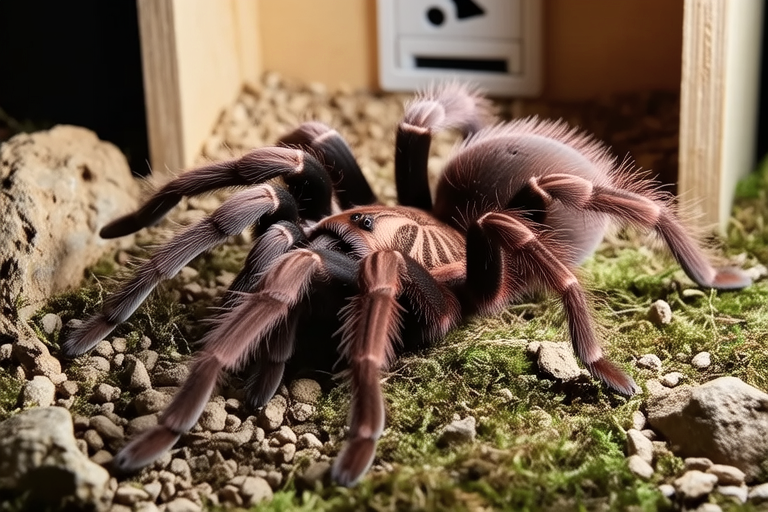
A well-designed enclosure ensures your tarantula feels secure and comfortable. Start by selecting an appropriately sized tank—typically 5-10 gallons per inch of leg span. Use a secure lid to prevent escapes but allow for adequate airflow. Place the enclosure in a quiet area away from direct sunlight or heat sources.
Layer the bottom with a 3-4 inch deep substrate that retains moisture without becoming soggy. Add climbing structures like branches or cork tubes if housing an arboreal species. Provide a shallow water dish filled with dechlorinated water for drinking and mist the enclosure occasionally to maintain humidity.
Proper Diet and Feeding Schedules
Feeding your tarantula a balanced diet promotes optimal health and longevity. Offer crickets, mealworms, or dubia roaches as primary food sources. Feed juveniles every 5-7 days, increasing the interval to once every 7-14 days for adults. Remove uneaten prey after 24 hours to prevent stress or injury to your tarantula.
Occasionally supplement with calcium and multivitamin powders to ensure nutritional completeness. Dust feeder insects lightly before offering them to your pet. Always handle prey gently to avoid stressing your tarantula during feeding times.
Handling and Interaction Tips
While tarantulas are not typically handled like traditional pets, gentle interactions can strengthen your bond. Approach slowly and avoid sudden movements to minimize stress. Gently place your hand near the enclosure’s opening, allowing your tarantula to crawl onto it if interested. Never attempt to grab or restrain your tarantula, as this can lead to defensive behaviors such as biting or kicking hairs.
Regular observation without physical contact helps monitor your tarantula’s behavior and overall condition. Note any changes in appetite, activity level, or appearance, which may indicate underlying issues requiring attention.
Health Concerns and Signs of Illness
Early detection of health problems is key to effective treatment. Common signs of illness include reduced appetite, lethargy, unusual webbing patterns, or visible injuries. Regularly inspect your tarantula for these indicators and address any concerns promptly.
If symptoms persist despite adjustments to diet or habitat, consult a veterinarian specializing in exotic animals. Avoid self-diagnosis or treatment, as improper handling can worsen conditions or introduce additional stressors.
Common Myths About Tarantulas
Many misconceptions exist regarding tarantulas, often stemming from misinformation or fear-based assumptions. Here are some debunked myths:
- Myth: All tarantulas are highly venomous. In reality, most tarantulas pose little threat to humans. Their venom is comparable to a bee sting and rarely causes severe reactions.
- Myth: Tarantulas are aggressive and dangerous. Most species are docile and prefer to avoid confrontation. Defensive actions occur only when threatened.
- Myth: Tarantulas live short lives. Many species can live upwards of 20 years under proper care, making them long-term companions.
By understanding these truths, you’ll gain confidence in caring for your tarantula and fostering a positive relationship.
Advice on Sourcing from Reputable Breeders or Sellers
Purchasing from reputable sources guarantees healthy, ethically sourced tarantulas. Look for breeders who prioritize animal welfare and transparency about breeding practices. Ask questions about lineage, age, and care history to ensure informed decisions.
Avoid buying from unverified online sellers or pet stores known for mass production. Instead, seek recommendations within the hobby community or attend local reptile expos featuring responsible vendors. Supporting ethical breeders contributes positively to conservation efforts and sets a foundation for responsible pet ownership.
In conclusion, owning a tarantula offers unparalleled opportunities for learning and enjoyment. By following the guidelines outlined here, you’ll be well-equipped to provide top-notch care and create a nurturing environment for your new eight-legged friend. Happy tarantula keeping!
