Top 10 Myths About Hermit Crabs Debunked Once and For All
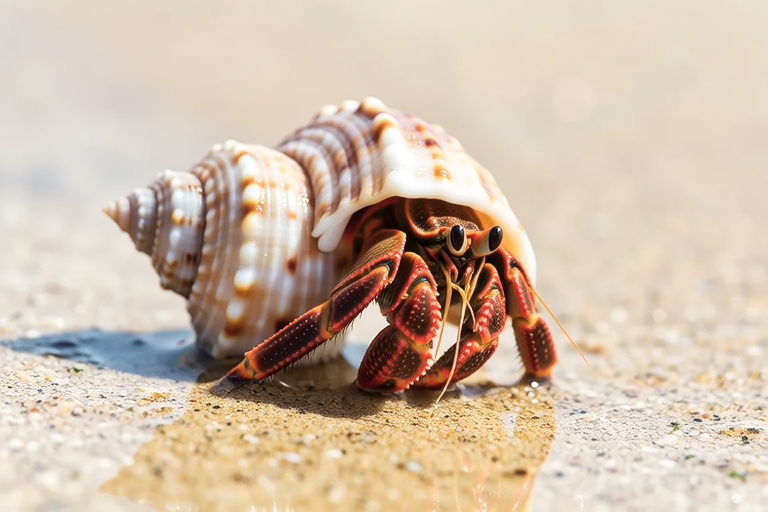
Hermit crabs are fascinating creatures that have captured the hearts of many animal lovers. These crustaceans are known for their unique lifestyle, as they inhabit empty seashells to protect their soft abdomens. Their ability to change shells as they grow and adapt to different environments makes them intriguing pets. However, there are several misconceptions about hermit crabs that need to be addressed. This article aims to debunk the top 10 myths about hermit crabs once and for all.
Myth 1: Hermit Crabs Are Easy to Care For
One of the most common myths is that hermit crabs are low-maintenance pets. While they may seem simple to care for at first glance, these creatures have specific needs that must be met to ensure their health and well-being. Hermit crabs require a humid environment, regular access to fresh and saltwater, and a variety of food options. Neglecting these requirements can lead to dehydration and malnutrition. Proper hermit crab care involves creating a habitat that mimics their natural environment, which includes providing adequate space, hiding spots, and climbing structures.
Myth 2: Hermit Crabs Don’t Need Fresh Water
Another misconception is that hermit crabs only need saltwater. In reality, hermit crabs require both fresh and saltwater to maintain their hydration levels and balance electrolytes. Providing fresh water in a shallow dish allows hermit crabs to drink and bathe, which is essential for their overall health. It’s important to note that the water should be changed frequently to prevent contamination and bacterial growth.
Myth 3: Hermit Crabs Can Survive Without Shells
Some people believe that hermit crabs can survive without shells, but this is far from the truth. A shell provides protection for the hermit crab’s vulnerable abdomen, which lacks a hard exoskeleton. Without a shell, a hermit crab is exposed to predators and environmental hazards, making it highly susceptible to injury or death. It’s crucial to provide a variety of shells for your hermit crabs to choose from as they grow and molt.
Myth 4: Hermit Crabs Hibernate in Their Shells
There’s a myth that hermit crabs hibernate inside their shells during winter months. In fact, hermit crabs don’t hibernate; they simply become less active when temperatures drop. To help your hermit crabs stay active and healthy year-round, maintain a consistent temperature in their habitat. Avoid placing the tank near drafty windows or doors, and consider using a heat lamp or heater if necessary.
Myth 5: Hermit Crabs Eat Anything
Contrary to popular belief, hermit crabs are not indiscriminate eaters. They have specific dietary requirements that include a balanced mix of proteins, carbohydrates, and fats. While they may nibble on various foods, offering a diet rich in fruits, vegetables, and commercial hermit crab food ensures they receive the nutrients they need. Avoid feeding hermit crabs processed human foods, as these can be harmful to their digestive systems.
Myth 6: Hermit Crabs Live in Complete Isolation
Many assume that hermit crabs live solitary lives, but this couldn’t be further from the truth. Hermit crabs are social animals that thrive in groups. In the wild, they often gather in large colonies, interacting with one another through scent and touch. When keeping hermit crabs as pets, it’s best to house multiple individuals together to promote their natural behaviors and reduce stress.
Myth 7: Hermit Crabs Only Come Out at Night
It’s commonly thought that hermit crabs are nocturnal creatures, but this isn’t entirely accurate. While some hermit crabs may be more active during the night, others are equally active during the day. The activity level of hermit crabs can vary depending on factors such as lighting, temperature, and individual temperament. Observing your hermit crabs over time will give you insight into their preferred activity periods.
Myth 8: Hermit Crabs Can Survive on a Diet of Bread
Feeding hermit crabs bread is another misconception. Bread lacks the necessary nutrients for hermit crabs and can cause digestive issues. Instead, offer a diverse diet that includes fruits, vegetables, and commercial hermit crab food. Providing a varied diet ensures that your hermit crabs receive the vitamins and minerals needed for optimal health.
Myth 9: Hermit Crabs Don’t Need Saltwater Baths
Some believe that hermit crabs don’t need saltwater baths, but this is incorrect. Saltwater baths are essential for hermit crabs to clean themselves and maintain their shell condition. Regular saltwater baths also help remove any debris or bacteria that may accumulate on the shell. To perform a saltwater bath, fill a shallow dish with a mixture of filtered water and marine aquarium salt, ensuring the concentration matches their natural habitat.
Myth 10: Hermit Crabs Are Harmless to Humans
While hermit crabs are generally harmless to humans, they can carry harmful bacteria like Salmonella. Handling hermit crabs requires proper hygiene practices, including washing hands before and after interaction. Additionally, avoid allowing young children, elderly individuals, or those with compromised immune systems to handle hermit crabs directly. By practicing good hygiene, you can minimize the risk of transmitting harmful bacteria.
Tips for Proper Hermit Crab Care
To ensure the well-being of your hermit crabs, follow these tips:
- Create a suitable habitat with appropriate humidity, temperature, and space.
- Provide a variety of shells for molting and growing hermit crabs.
- Offer a balanced diet that includes fresh and saltwater.
- Regularly clean the habitat to prevent contamination and disease.
- Handle hermit crabs gently and practice good hygiene.
By debunking these myths and following proper care guidelines, you can enjoy a rewarding relationship with your hermit crabs. Remember, responsible pet ownership involves understanding the needs of your pets and providing them with a safe, comfortable environment. If you’re considering adopting hermit crabs as pets, research thoroughly and consult with experts to ensure you’re prepared for the commitment.
For more information on hermit crab care, explore topics such as hermit crab diet, hermit crab habitat, and hermit crab molting. With the right knowledge and dedication, you can provide a happy and healthy home for your hermit crabs.
