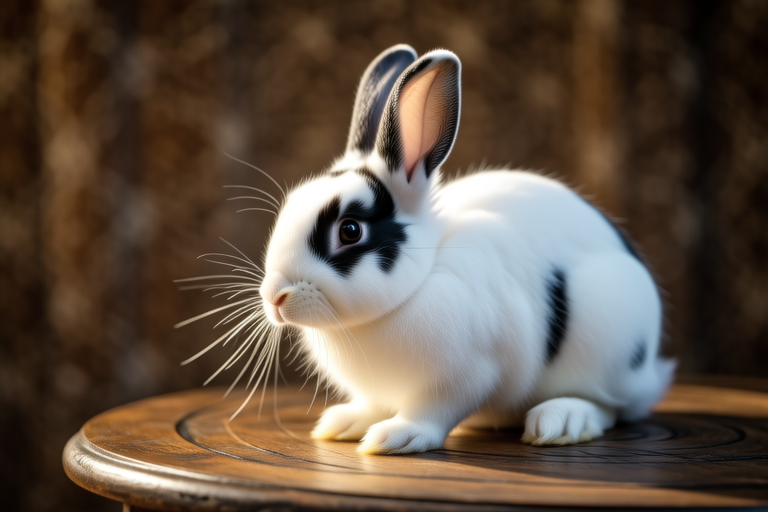
From Fashion Icon to Pet Darling: The Story of the Hotot Rabbit
The Hotot rabbit, with its striking appearance and gentle demeanor, has captured hearts for over a century. This article delves into the breed’s fascinating journey from its origins in early 20th-century Europe to its current status as a cherished pet. We will explore the historical context of the Hotot rabbit’s rise as a fashion symbol, discuss its unique physical characteristics, and examine how it evolved from a prized show rabbit to a beloved companion. Additionally, we’ll highlight essential care tips and temperament insights for those considering adding a Hotot rabbit to their family.
A Brief History of the Hotot Rabbit
The Hotot rabbit originated in France during the early 20th century. It was developed by Eugène Étienne Marcel Hottot, a French breeder who sought to create a rabbit with a distinct white body and black eyes. His vision was realized through years of selective breeding, combining elements from several existing breeds. By 1923, Hottot successfully introduced his new breed at a rabbit exhibition in Paris, where it quickly gained attention for its unique appearance.
The Hotot rabbit became particularly popular among European nobility and high society during the interwar period. Its elegant and refined look made it a fashionable accessory for ladies’ hats and gloves, further enhancing its reputation as a status symbol. Despite its initial popularity, the breed faced challenges during World War II when many rabbits were culled for food. However, dedicated enthusiasts ensured that the Hotot survived and continued to be bred after the war.
Physical Characteristics of the Hotot Rabbit
The Hotot rabbit is easily recognizable by its distinctive white fur and striking eye pattern. These rabbits typically weigh between 4 and 6 pounds (1.8 to 2.7 kg) and have a compact, well-proportioned body. Their most notable feature is the ring of black fur around each eye, which gives them an almost cartoonish appearance. This unique eye pattern is what sets the Hotot apart from other rabbit breeds and contributes significantly to its appeal.
Besides their striking eyes, Hotot rabbits possess short, dense coats that require minimal grooming. They come in two recognized colors: black-eyed white and blue-eyed white. While the black-eyed variety is more common, the blue-eyed variant is also appreciated for its rarity. Both types share the same charming personality traits and care requirements, making them equally desirable as pets.
The Transition from Show Rabbit to Pet
Initially bred for exhibition purposes, the Hotot rabbit gradually found its place in homes across the globe. As interest in rabbit shows waned, more people began to appreciate the Hotot for its companionship rather than its physical attributes alone. Today, these rabbits are valued primarily as loving pets, offering a unique blend of charm and ease of care.
The shift from show rabbit to pet darling can be attributed to several factors. Firstly, advancements in breeding techniques allowed for healthier and more docile specimens, making them ideal companions. Secondly, increased awareness about proper rabbit care encouraged responsible ownership, ensuring that Hotots could thrive in domestic settings. Lastly, the internet and social media platforms have played a significant role in promoting the Hotot rabbit as a desirable pet choice, showcasing their playful nature and engaging personalities.
Care Requirements and Temperament
Maintaining a healthy environment for your Hotot rabbit involves providing adequate space, nutritious food, fresh water, and regular exercise opportunities. A spacious cage or enclosure equipped with soft bedding material like hay or shredded paper ensures comfort while preventing injury. Regular cleaning helps maintain hygiene levels and reduces the risk of illness.
Diet plays a crucial role in keeping your Hotot happy and healthy. A balanced diet consisting of high-quality pellets, fresh vegetables, and unlimited access to timothy hay supports optimal growth and development. Introducing new foods gradually allows you to monitor any adverse reactions and adjust accordingly.
Exercise is vital for mental stimulation and physical fitness. Providing toys, tunnels, and tunnels encourages exploration and playtime. Supervised outdoor excursions under safe conditions enable interaction with natural surroundings. Always ensure supervision during outdoor activities to protect against predators or dangerous situations.
Hotot rabbits are known for their friendly and curious dispositions, making them excellent candidates for family pets. They enjoy human company and often form strong bonds with their owners. Gentle handling from an early age fosters trust and enhances communication between human and animal. Training techniques such as clicker training or positive reinforcement reward good behavior and discourage unwanted actions. Consistency and patience are key components of successful training sessions.
Current Status and Future Prospects
The Hotot rabbit remains a relatively uncommon breed compared to mainstream favorites like the Holland Lop or Netherland Dwarf. However, its unique appearance and delightful personality continue to attract admirers worldwide. Organizations dedicated to preserving rare rabbit breeds work tirelessly to promote awareness and support breeding programs aimed at sustaining genetic diversity within the Hotot population.
Advancements in veterinary medicine offer promising solutions for addressing health concerns specific to certain rabbit breeds. Research into genetic disorders affecting Hotots may lead to breakthroughs that improve overall well-being and longevity. Additionally, ongoing efforts to educate potential owners about responsible rabbit care contribute positively towards maintaining healthy populations.
As interest in alternative pets grows, so too does the potential for increased demand for Hotot rabbits as companions. Their distinctive looks make them stand out in pet stores or adoption centers, attracting attention from prospective adopters seeking something different. Furthermore, social media platforms provide valuable marketing tools for breeders and rescue organizations looking to showcase available Hotots and share stories highlighting their suitability as family members.
In conclusion, the Hotot rabbit embodies elegance, grace, and affection, having traversed an intriguing path from fashion icon to pet darling. With proper care and attention, these remarkable creatures bring joy and companionship to countless households. Whether you’re a seasoned rabbit owner or considering adopting one for the first time, understanding the history, characteristics, and needs of the Hotot rabbit enriches your experience and strengthens your bond with this extraordinary animal.
