How Clownfish Became Internet Sensations: Their Journey from Ocean to Screens
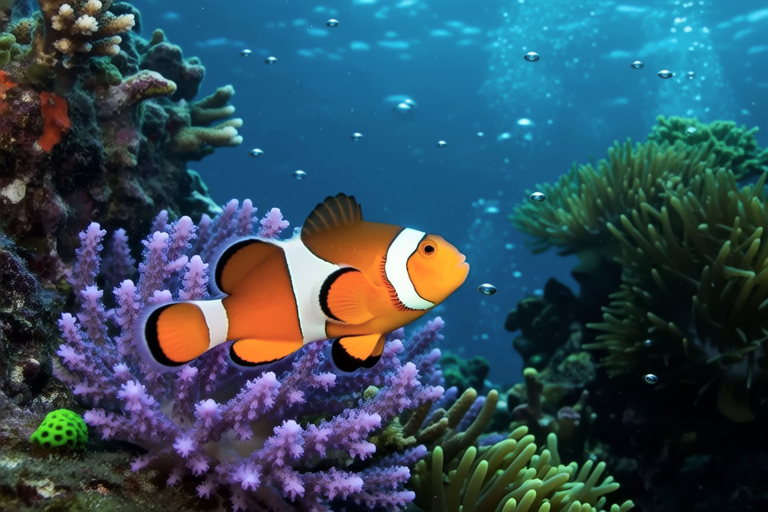
The clownfish, with its vibrant orange and white stripes and iconic black fins, has captured the hearts of millions around the world. These small, yet strikingly beautiful creatures have journeyed from the depths of the ocean to become internet sensations, appearing in homes through screens and social media platforms. This article delves into the natural habitat and behavior of clownfish, highlights their key characteristics, explores the role of popular media in boosting their internet fame, and examines the impact on marine conservation awareness.
Natural Habitat and Behavior
Clownfish, scientifically known as Amphiprioninae, primarily inhabit the warm waters of the Indian and Pacific Oceans, including the Great Barrier Reef and the Red Sea. They are found in coral reefs, where they form symbiotic relationships with sea anemones. The anemone’s tentacles provide shelter for the clownfish, while the fish’s waste serves as nutrients for the anemone. This unique relationship is one of the many reasons why clownfish are so fascinating to both scientists and casual observers.
These fish are generally peaceful and territorial, often living in groups within the same anemone. They are also highly social, communicating through a series of chirps and grunts. The dominant female leads the group, and if she dies, the most dominant male will transform into a female, ensuring the continuity of the group. This remarkable adaptability is one of the reasons why clownfish are such compelling subjects for study.
Key Characteristics That Make Them Appealing
One of the most striking features of clownfish is their vivid coloration. The contrasting bands of orange and white, coupled with the distinctive black fins, make them stand out in the underwater environment. This coloration is not just aesthetically pleasing; it also serves as a warning to potential predators. The clownfish’s ability to thrive in close proximity to the anemone’s stinging tentacles, without being harmed, adds to their allure.
Moreover, clownfish are relatively easy to care for in home aquariums, which has contributed to their popularity among hobbyists. Their small size and hardiness make them ideal for beginners and experts alike. The clownfish’s playful nature, often seen as they dart in and out of their anemone homes, also makes them entertaining to watch. This combination of beauty, resilience, and charisma has made them a favorite among aquarium enthusiasts.
The Role of Popular Media
The rise of clownfish in popular culture can be traced back to the release of Finding Nemo, a 2003 animated film produced by Pixar Animation Studios. The movie follows the adventures of Marlin, a clownfish, and his son Nemo, as they navigate the dangers of the ocean in search of each other. Finding Nemo brought the charm and complexity of clownfish to a global audience, sparking a wave of interest in these creatures.
Following the success of Finding Nemo, Disney-Pixar released a sequel, Finding Dory, in 2016. This film further solidified the clownfish’s place in popular culture, introducing new characters and expanding the narrative of the original story. Both films have been praised for their animation, storytelling, and educational value, making them favorites among children and adults alike.
In addition to films, clownfish have appeared in various television shows, documentaries, and video games. These appearances have helped to maintain their visibility and appeal, ensuring that they remain relevant in popular culture. Social media platforms have also played a significant role in promoting the clownfish’s image, with countless posts featuring these creatures in their natural habitats or in aquarium settings.
Impact on Marine Conservation Awareness
The increased visibility of clownfish has had a positive impact on marine conservation awareness. As more people become interested in these creatures, there is a growing desire to learn about their natural habitats and the challenges they face. This heightened awareness has led to greater support for conservation efforts aimed at protecting coral reefs and the species that depend on them.
Organizations dedicated to marine conservation have capitalized on the popularity of clownfish to raise funds and promote awareness. Educational programs and campaigns have been launched, encouraging people to take action to protect the oceans. These initiatives have included beach clean-ups, recycling drives, and calls for sustainable fishing practices.
Furthermore, the rise in interest has led to increased funding for scientific research, helping to deepen our understanding of clownfish and their ecosystems. This knowledge is crucial for developing effective conservation strategies and ensuring the long-term survival of these species.
Current Status in Pop Culture and Protection Efforts
Today, clownfish continue to enjoy a prominent place in pop culture, appearing in a wide range of media formats. Their enduring appeal is evident in the continued success of Finding Nemo merchandise, as well as the emergence of new products inspired by these beloved creatures. The popularity of clownfish has also extended to fashion, with designers incorporating their imagery into clothing lines and accessories.
Despite their widespread appeal, clownfish face numerous threats in their natural habitats. Coral bleaching, caused by rising sea temperatures, poses a significant risk to the reefs where clownfish live. Overfishing and pollution also contribute to the degradation of their environments. In response to these challenges, conservationists are working tirelessly to protect clownfish and their ecosystems.
Efforts to protect clownfish include the establishment of marine protected areas, where fishing and other harmful activities are restricted. Breeding programs and captive breeding facilities are also being developed to ensure the survival of clownfish populations. Additionally, awareness campaigns and educational initiatives continue to play a vital role in fostering a sense of responsibility towards the oceans and the creatures that call them home.
As we move forward, it is essential to strike a balance between enjoying the popularity of clownfish and ensuring their survival in the wild. By supporting conservation efforts and making environmentally conscious choices, we can help to preserve these magnificent creatures for future generations to appreciate and admire.
