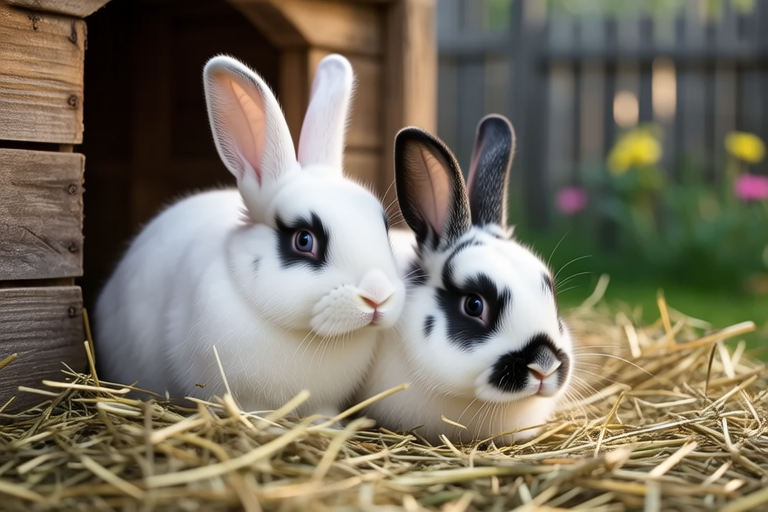
Adorable Lop Rabbits: The Ultimate Pet Companion for Every Home
Welcome to the world of adorable lop rabbits! These charming creatures have captured the hearts of many pet lovers with their distinctive appearance and gentle nature. Lop rabbits are known for their drooping ears that hang down below their faces, giving them a unique and endearing look. In this article, we will explore the world of lop rabbits, discussing their various breeds, the benefits of owning one, and essential tips for proper care.
Introduction to Lop Rabbits
Lop rabbits are a popular breed of domesticated rabbits known for their floppy ears. Their ears are typically long and can reach lengths of up to 8 inches. The droopy ears are a result of a genetic mutation that causes the ear cartilage to become soft and flexible. This characteristic makes lop rabbits easily recognizable among other rabbit breeds.
Besides their iconic ears, lop rabbits are also admired for their friendly and docile personalities. They are generally calm and gentle, making them excellent companions for families with children. Lop rabbits are intelligent animals that enjoy interaction with humans and can even learn to respond to their names. Their affectionate nature and playful behavior make them delightful pets for individuals seeking a loving and loyal companion.
Varieties of Lop Rabbit Breeds
There are several different breeds of lop rabbits, each with its own unique characteristics. Some of the most popular lop rabbit breeds include the English Lop, French Lop, Holland Lop, and Miniature Lop. Let’s take a closer look at each of these breeds:
English Lop
The English Lop is the largest breed of lop rabbits, weighing between 9 and 14 pounds. They have exceptionally long ears that can grow up to 24 inches in length. Due to their size and long ears, they require more space than smaller breeds. English Lops have a silky coat that comes in a variety of colors, including black, blue, chocolate, and lilac. Their gentle and friendly demeanor makes them great pets for experienced rabbit owners.
French Lop
The French Lop is another large breed of lop rabbit, weighing between 10 and 13 pounds. They have shorter ears than the English Lop, measuring around 12 inches in length. French Lops have a dense, woolly coat that requires regular grooming. They come in a range of colors, including black, blue, chocolate, and white. French Lops are known for their calm and easygoing nature, making them suitable for families with children.
Holland Lop
The Holland Lop is a smaller breed of lop rabbit, weighing between 3 and 4.5 pounds. They have shorter ears than the English and French Lops, measuring around 6 inches in length. Holland Lops have a thick, plush coat that comes in a variety of colors, including tortoiseshell, black, and white. They are highly social and affectionate, making them perfect companions for individuals looking for an interactive pet. Holland Lops are also intelligent and can be trained to perform simple tricks.
Miniature Lop
The Miniature Lop is the smallest breed of lop rabbit, weighing between 2.5 and 3.5 pounds. They have short, rounded ears that measure around 3 inches in length. Miniature Lops have a fine, smooth coat that requires minimal grooming. They come in a range of colors, including black, blue, chocolate, and white. Despite their small size, Miniature Lops are energetic and playful, making them ideal for households with limited space.
Benefits of Owning a Lop Rabbit as a Pet
Owning a lop rabbit as a pet has numerous benefits, making them an ideal choice for many families. One of the main advantages of having a lop rabbit is the companionship they provide. These gentle animals form strong bonds with their owners and enjoy spending time with them. Lop rabbits are social creatures that thrive on attention and interaction, making them excellent companions for individuals who want a pet that will engage with them.
Another benefit of owning a lop rabbit is the low maintenance required to care for them. Unlike some other pets, lop rabbits do not need to be walked or bathed regularly. They are clean animals that groom themselves, and their litter boxes can be easily cleaned. Additionally, lop rabbits are relatively quiet pets, making them suitable for apartment living. They are also less demanding in terms of space requirements compared to larger animals like dogs or cats.
Caring for Your Lop Rabbit
Proper care is essential to ensure your lop rabbit remains healthy and happy. Here are some tips on how to care for your lop rabbit:
Diet
A balanced diet is crucial for maintaining your lop rabbit’s health. A diet consisting of hay, fresh vegetables, and a small amount of pellets is recommended. Timothy hay is the best type of hay to feed your rabbit, as it provides essential nutrients and aids in digestion. Fresh vegetables such as carrots, broccoli, and spinach can be offered as treats but should be given in moderation. Pellets should be high-quality and formulated specifically for rabbits.
Housing
Lop rabbits require a spacious and comfortable living environment. A wire cage with a solid floor is recommended to prevent injury from wire flooring. The cage should be large enough for your rabbit to move around freely and stand up on its hind legs without touching the top of the cage. Providing a litter box in one corner of the cage will help keep the area clean. Adding soft bedding, such as shredded paper or straw, will make your rabbit’s home more comfortable.
Exercise
Like all rabbits, lop rabbits need regular exercise to stay healthy. Providing a safe area for your rabbit to run and play outside of its cage is important. A rabbit-proof room or a large exercise pen can be used for supervised playtime. Make sure to remove any hazardous items, such as electrical cords, before allowing your rabbit to roam. Daily exercise helps to prevent obesity and keeps your rabbit mentally stimulated.
Grooming
Grooming is necessary to keep your lop rabbit’s coat healthy and free of mats. Brushing your rabbit’s fur once or twice a week with a slicker brush will help to remove loose hair and prevent tangles. During shedding season, which occurs twice a year, you may need to brush your rabbit more frequently. Bathing should only be done when absolutely necessary, as rabbits can become stressed by water. Instead, wipe your rabbit’s fur with a damp cloth if needed.
Health Care
Regular veterinary check-ups are important to ensure your lop rabbit stays healthy. Spaying or neutering your rabbit is recommended to prevent certain health issues and behavioral problems. Dental care is also crucial, as rabbits’ teeth continuously grow throughout their lives. Providing plenty of hay and chew toys will help wear down their teeth naturally. Watch for signs of illness, such as lethargy, loss of appetite, or changes in bathroom habits, and consult your veterinarian if you notice any concerning symptoms.
Real-Life Stories and Testimonials
Many lop rabbit owners have found these adorable creatures to be ideal companions for their homes. Sarah, a mother of two, shares her experience with her Holland Lop rabbit, Biscuit. “Biscuit has brought so much joy to our family,” she says. “He loves to play and cuddle with the kids, and he’s always happy to see us when we come home from work. He’s a wonderful addition to our household.”
John, a first-time pet owner, adopted a Miniature Lop named Whiskers. “Whiskers is the perfect pet for someone like me who works long hours,” John explains. “He’s independent but still enjoys interacting with me when I’m home. He’s easy to care for and doesn’t require much attention, yet he always brightens my day.”
These stories highlight the positive impact that lop rabbits can have on their owners’ lives. Whether you’re a seasoned pet owner or considering adopting your first pet, a lop rabbit could be the perfect companion for your home.
