The Majestic Heterometrus Spinifer: A Beginner’s Guide to This Unique Species
Welcome to the fascinating world of the Heterometrus spinifer, also known as the Indian forest scorpion. This article will introduce you to this remarkable creature, covering its physical characteristics, natural habitat, behavior, diet, and its role in the ecosystem. We’ll also explore the joys and challenges of keeping the Heterometrus spinifer as a pet, offering advice on housing, feeding, and handling. Finally, we’ll discuss the conservation status of this species and why it’s essential to understand and appreciate these creatures.
Introduction to the Heterometrus Spinifer
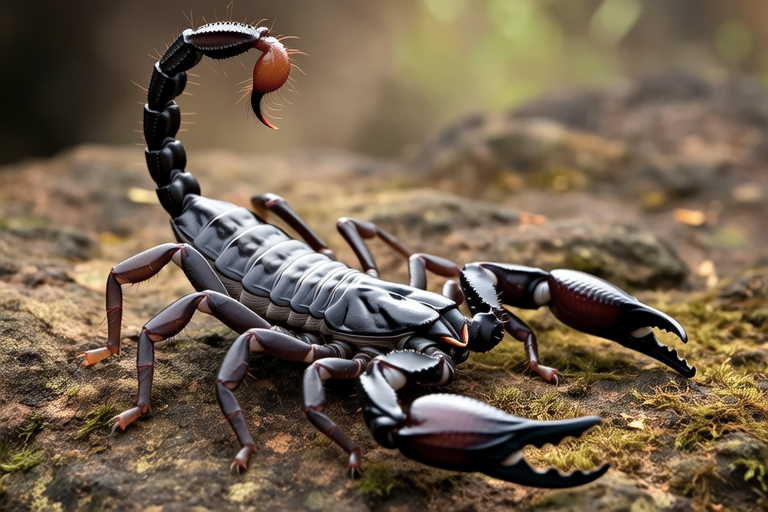
The Heterometrus spinifer is a medium-sized scorpion, typically ranging from 6 to 9 cm in length. It is easily recognizable due to its robust body, which is covered in small spines, particularly along its tail (telson). These spines give the species its name, ‘spinifer,’ meaning ‘spiny bearer.’ The coloration varies from dark brown to almost black, providing excellent camouflage in its natural environment.
This species is native to Southeast Asia, primarily found in countries such as India, Bangladesh, Nepal, and parts of Thailand. They inhabit humid, tropical forests, preferring areas with plenty of leaf litter, rocks, and logs for shelter. Their nocturnal nature makes them adept at hiding during the day and hunting at night.
Behavior and Diet
Heterometrus spinifers are solitary animals, only coming together during mating season. They are primarily nocturnal, spending their days hidden under rocks or in burrows. At night, they emerge to hunt, using their keen sense of smell and touch to locate prey. Their diet consists mainly of insects, spiders, and other small invertebrates. Occasionally, they may consume vertebrates like lizards or frogs.
These scorpions are ambush predators, relying on their ability to remain motionless for long periods until prey passes by. Once a potential meal is detected, they pounce quickly, injecting venom through their stinger to immobilize and kill the prey before consuming it. Despite their fearsome appearance, their venom is generally not lethal to humans, causing only mild pain and swelling.
Interaction Within the Ecosystem
The Heterometrus spinifer plays a crucial role in its ecosystem as both predator and prey. As predators, they help control insect populations, maintaining a balance within their habitats. As prey, they contribute to the diets of larger animals like birds, snakes, and mammals. Their presence in an area can be an indicator of environmental health, as they require specific conditions to thrive.
Additionally, the burrows they create provide shelter for other small animals, enhancing biodiversity. By understanding the role of the Heterometrus spinifer in its ecosystem, we can better appreciate the interconnectedness of all living things and the importance of preserving natural habitats.
Caring for the Heterometrus Spinifer as a Pet
For those interested in keeping the Heterometrus spinifer as a pet, there are several considerations to ensure their well-being. Proper housing is essential, providing a secure enclosure that mimics their natural environment. A terrarium measuring at least 30x30x30 cm is suitable for one adult scorpion, ensuring ample space for movement and exploration.
The substrate should consist of a mix of soil and peat moss, kept moist but not waterlogged, to maintain humidity levels between 70% and 80%. Provide hiding spots using cork bark, rocks, or half logs, allowing the scorpion to feel safe and secure. Temperature should be maintained between 24°C and 28°C, with a basking spot reaching up to 30°C. Regular misting helps to keep the enclosure humid and provides a source of drinking water.
Feeding your Heterometrus spinifer is straightforward; offer live insects such as crickets, roaches, and mealworms once or twice a week. Ensure that the prey items are no larger than half the width of the scorpion’s body to prevent choking. Remove any uneaten food promptly to avoid contamination. Handling should be done infrequently, using thick gloves or tongs, as they are not social animals and may become stressed if handled too often.
Challenges and Rewards of Pet Ownership
While the Heterometrus spinifer can make a rewarding pet for the right owner, there are challenges to consider. Their solitary nature means they do not enjoy interaction and may become stressed if handled frequently. Additionally, their venom, though not usually dangerous to humans, can cause discomfort and should be treated with caution.
The rewards of owning a Heterometrus spinifer include observing their fascinating behaviors, such as hunting and burrowing. Watching them interact with their environment can be highly educational and entertaining. With proper care and respect, these scorpions can live for several years, providing a unique and enriching experience for their owners.
Conservation Status and Importance
The Heterometrus spinifer faces various threats in the wild, including habitat destruction, pollution, and climate change. These factors have contributed to a decline in their population, leading to concerns about their long-term survival. Understanding and appreciating these creatures is vital for their conservation.
Efforts to protect the Heterometrus spinifer and its habitat include creating protected areas, promoting sustainable land use practices, and raising awareness about the importance of preserving biodiversity. By supporting these initiatives, we can help ensure the survival of this majestic species for future generations.
In conclusion, the Heterometrus spinifer is a fascinating and unique species, both in the wild and as a pet. Its distinct physical characteristics, behavior, and role in its ecosystem make it a captivating subject for study and admiration. By learning more about this species, we can gain a deeper appreciation for the natural world and work towards its preservation.
