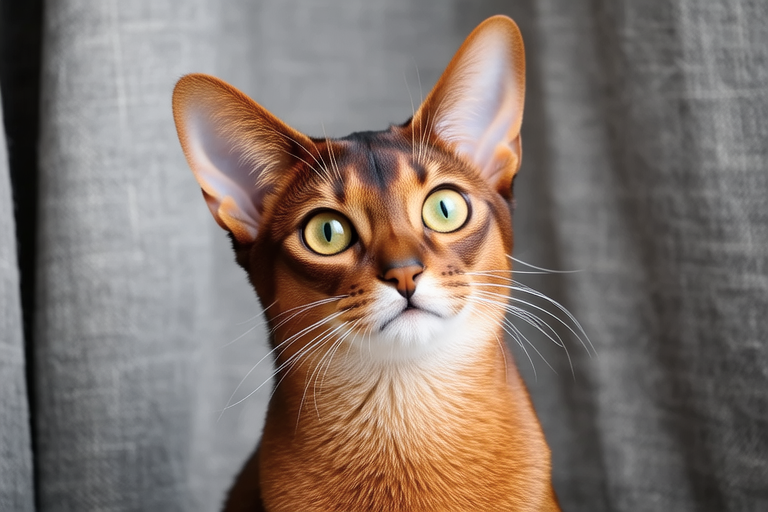
Discover the Unique Traits That Make Abyssinian Cats Stand Out
The History and Origin of Abyssinian Cats
The Abyssinian cat, one of the oldest domesticated cat breeds, has a fascinating history that dates back thousands of years. Legends have it that these cats were worshipped in ancient Egypt, where they were often depicted in tombs and mummies adorned with cat-shaped amulets. The breed’s name, however, comes from the region of Abyssinia (now known as Ethiopia), although there is no concrete evidence of their origins there. It is believed that the breed may have originated in Southeast Asia or India, brought to Britain during the Victorian era through British soldiers and traders.
The first recorded Abyssinian cat in Britain was named Zula, who was exhibited at the Crystal Palace Cat Show in London in 1871. Since then, the breed has been refined and standardized through selective breeding, resulting in the distinctive and elegant cat we know today.
Distinctive Physical Characteristics
Coat Patterns and Colors
Abyssinians are known for their striking coat patterns, which are a result of a gene mutation called the ticked tabby pattern. Each hair shaft has multiple bands of color, creating a shimmering effect that is often referred to as ‘ticking.’ The most common colors are ruddy (a warm reddish-brown), blue (a soft grey), fawn (a light brown), and cinnamon (a pale tan).
Eye Color
One of the most distinctive features of the Abyssinian cat is its large, almond-shaped eyes. Their eyes are usually green or gold, which complement their expressive faces and give them a mysterious, almost wild appearance. This eye color, combined with their sleek, muscular bodies and long legs, contributes to their exotic and elegant look.
Temperament and Behavior
Abyssinian cats are known for their playful and energetic personalities. They are highly intelligent and curious, always exploring their surroundings and finding new ways to entertain themselves. These cats are not content to sit around and sleep all day; instead, they prefer to be active, climbing, jumping, and playing with toys. They are also very social animals, often seeking out human interaction and companionship.
Unlike some other cat breeds, Abyssinians are not typically lap cats. They prefer to be near their humans rather than on them, often sitting beside their owners or following them from room to room. They are vocal cats, communicating their needs and desires through a variety of sounds, from soft chirps to loud meows. Their intelligence and curiosity make them excellent problem solvers, and they can be trained to perform tricks or play interactive games.
Health Considerations
Like any purebred cat, Abyssinians are prone to certain genetic conditions. One of the most common issues is Periodontal Disease, which can lead to tooth loss if not treated properly. Regular dental check-ups and cleanings are essential to maintaining their oral health. Another condition to watch for is Renal Amyloidosis, a disease that affects the kidneys and can be fatal if left untreated. Early detection and treatment are crucial for managing this condition.
In addition to these specific health concerns, it is important to provide regular veterinary care, including vaccinations, parasite control, and routine check-ups. Keeping your Abyssinian cat healthy and happy requires a commitment to their overall well-being, including proper nutrition, exercise, and mental stimulation.
Dietary Needs
Abyssinians require a balanced diet that meets their nutritional needs. High-quality commercial cat foods that are rich in protein and low in carbohydrates are recommended. Wet food is particularly beneficial as it helps maintain hydration and supports kidney health. It is important to avoid feeding them table scraps or human food, as these can be harmful to their health.
Obesity is a common issue among indoor cats, so portion control and regular exercise are necessary to prevent weight gain. Providing a variety of toys and engaging activities can help keep your Abyssinian cat active and fit. Consult with your veterinarian about the appropriate diet and feeding schedule for your cat based on their age, weight, and activity level.
Common Activities They Enjoy
Abyssinian cats are naturally athletic and enjoy activities that challenge their agility and strength. Climbing trees, chasing laser pointers, and playing fetch are just a few of the activities they love. Puzzle toys that dispense treats can also stimulate their minds and keep them engaged. Interactive play sessions with their owners are especially rewarding, fostering a strong bond between the cat and its human companion.
Providing a variety of scratching posts, perches, and climbing structures can help satisfy their need for vertical space and physical activity. These cats are also known for their affectionate nature and will often follow their owners around the house, seeking attention and companionship. Engaging in these activities can help ensure that your Abyssinian cat stays physically and mentally stimulated, contributing to their overall happiness and well-being.
Tips for Potential Owners
If you’re considering adding an Abyssinian cat to your family, there are several things to keep in mind. First and foremost, these cats require a lot of attention and interaction, so they are not suitable for households where they will be left alone for long periods. They thrive in environments where they have access to plenty of toys, scratching posts, and climbing structures to keep them entertained.
Training and socialization are also important aspects of raising an Abyssinian cat. Positive reinforcement techniques, such as clicker training and reward-based methods, can be effective in teaching them basic commands and good behavior. Socializing your cat from a young age can help them become more comfortable around other people and animals, making them more adaptable and less prone to stress.
Finally, it is important to be prepared for the financial and time commitments involved in owning an Abyssinian cat. Regular veterinary care, grooming, and high-quality food can add up, so budgeting for these expenses is essential. Additionally, these cats require a significant amount of time and attention, so being able to dedicate the necessary resources to their care is crucial.
