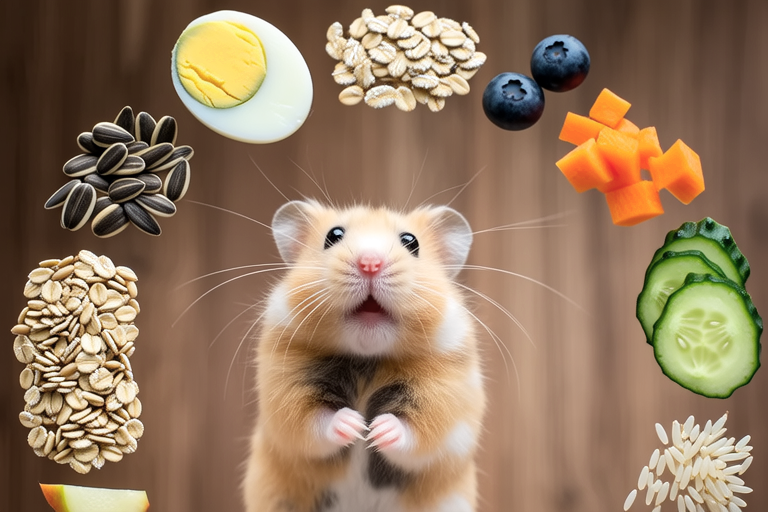
Top 10 Foods That Will Make Your Hamster Go Crazy
Welcome to the fascinating world of hamster care! Hamsters are delightful little creatures that require a balanced diet to thrive. Their natural instincts drive them to explore and seek out various foods, making mealtime an adventure. As omnivores, hamsters need a mix of grains, seeds, fruits, and vegetables to maintain optimal health. In this article, we’ll delve into the top ten foods that will make your hamster go crazy, offering both nutritional benefits and safe ways to introduce these treats into their diet.
Understanding Hamsters’ Dietary Needs
Hamsters have unique dietary requirements due to their small size and active lifestyle. A typical hamster diet includes commercial hamster pellets, which provide essential nutrients such as proteins, fats, carbohydrates, vitamins, and minerals. However, variety is key to keeping your hamster healthy and happy. Introducing different foods can stimulate their senses and prevent boredom. It’s important to remember that while hamsters love a wide range of foods, some items can be harmful if not given in moderation or at all.
Top 10 Foods That Will Make Your Hamster Go Crazy
1. Sunflower Seeds
Sunflower seeds are a favorite among hamsters for their rich taste and crunchy texture. These seeds are packed with healthy fats, protein, and fiber, contributing to your hamster’s overall health. They also contain vitamin E, which acts as an antioxidant, protecting cells from damage. When introducing sunflower seeds, start with a small portion (about one or two seeds) to avoid digestive issues like bloating or diarrhea. Gradually increase the amount as your hamster adjusts.
2. Pumpkin Seeds
Pumpkin seeds, or pepitas, offer a nutritious snack for your hamster. Rich in magnesium, zinc, and antioxidants, they promote bone health and support the immune system. Additionally, pumpkin seeds contain essential fatty acids that aid in skin and coat maintenance. Like sunflower seeds, pumpkin seeds should be introduced gradually to prevent digestive upset. Sprinkle a few seeds into your hamster’s bowl and observe their reaction before increasing the quantity.
3. Blueberries
Blueberries are a tasty and healthy treat for hamsters, known for their high antioxidant content. Antioxidants help combat free radicals, reducing the risk of chronic diseases. Blueberries are also low in calories, making them a perfect snack for hamsters prone to obesity. Offer blueberries sparingly, as they contain natural sugars that can lead to weight gain if overfed. One or two berries per week should suffice.
4. Carrots
Carrots are a popular choice for hamsters due to their sweet flavor and crunchy texture. They are rich in beta-carotene, which the body converts into vitamin A, supporting vision and immune function. Carrots also provide dietary fiber, aiding digestion. When feeding carrots, always remove the greens as they can cause digestive issues. Wash and slice the carrot into small pieces, ensuring your hamster can chew and digest them easily.
5. Apples
Apples are another delicious and nutritious treat for hamsters. They are low in calories and high in fiber, promoting healthy digestion. Apples also contain vitamins C and K, which contribute to bone health and blood clotting. Be sure to remove the seeds and core, as apple seeds contain trace amounts of cyanide, which can be toxic in large quantities. Provide thin slices of apple, and watch your hamster’s excitement as they savor this sweet treat.
6. Broccoli
Broccoli is a nutrient-dense vegetable that can be beneficial for your hamster’s health. It contains vitamins C and K, along with fiber and antioxidants. Broccoli supports immune function and aids in digestion. Feed broccoli in small quantities, as too much can cause gas and bloating. Steam or blanch the broccoli florets lightly to soften them, making them easier for your hamster to chew and digest.
7. Peas
Peas are a great source of protein and fiber for hamsters. They also contain vitamins A, C, and K, along with folate and iron. These nutrients support muscle growth, immune function, and red blood cell production. Fresh or frozen peas are preferable over canned ones, which often contain added salt. Serve peas raw or lightly cooked, and ensure they are cooled before offering them to your hamster.
8. Sweet Potatoes
Sweet potatoes are a delightful and nutritious treat for hamsters. They are rich in vitamins A and C, along with fiber and antioxidants. Sweet potatoes promote healthy vision, immune function, and digestion. Peel and steam the sweet potato until soft, then cut it into small, manageable pieces for your hamster. Introduce sweet potatoes slowly, monitoring your hamster’s digestion to avoid any adverse effects.
9. Dandelion Greens
Dandelion greens are a surprising but excellent addition to your hamster’s diet. They are rich in vitamins A, C, and K, along with calcium and potassium. Dandelion greens support liver health, bone density, and cardiovascular function. Collect dandelion greens from pesticide-free areas, wash them thoroughly, and offer them in small quantities. Monitor your hamster’s reaction, as some may find them bitter.
10. Mealworms
Mealworms are a favorite among hamsters for their high protein content. They are also rich in essential fatty acids, supporting skin and coat health. While mealworms can be a fun treat, they should be offered sparingly due to their high-fat content. Freeze the mealworms for at least 24 hours before feeding to kill any potential parasites. Offer one or two mealworms once or twice a week as a special treat.
Maintaining a Balanced Diet for Your Hamster
While introducing new foods can keep your hamster excited about mealtime, it’s crucial to maintain a balanced diet. Commercial hamster pellets should form the foundation of your hamster’s diet, providing essential nutrients. Supplement their diet with fresh vegetables, fruits, and occasional treats like seeds and insects. Always introduce new foods gradually and monitor your hamster’s response. Keep their water supply clean and fresh, changing it daily to prevent bacterial growth.
Rotate the types of fruits and vegetables you offer to prevent boredom and ensure a varied intake of nutrients. Avoid feeding your hamster foods high in sugar, salt, or fat, as these can lead to health problems. Be cautious with foods that can cause choking or digestive issues, such as nuts, corn kernels, and large pieces of fruit. Consult your veterinarian if you have concerns about your hamster’s diet or health.
In conclusion, a well-balanced diet is essential for keeping your hamster healthy and happy. By incorporating the top ten foods mentioned in this article, you can ensure your hamster enjoys a diverse and exciting mealtime. Remember to introduce new foods gradually, monitor your hamster’s response, and maintain a consistent supply of commercial hamster pellets. With a little creativity and care, you can keep your hamster’s diet interesting and nutritious, fostering a strong bond between you and your furry friend.
