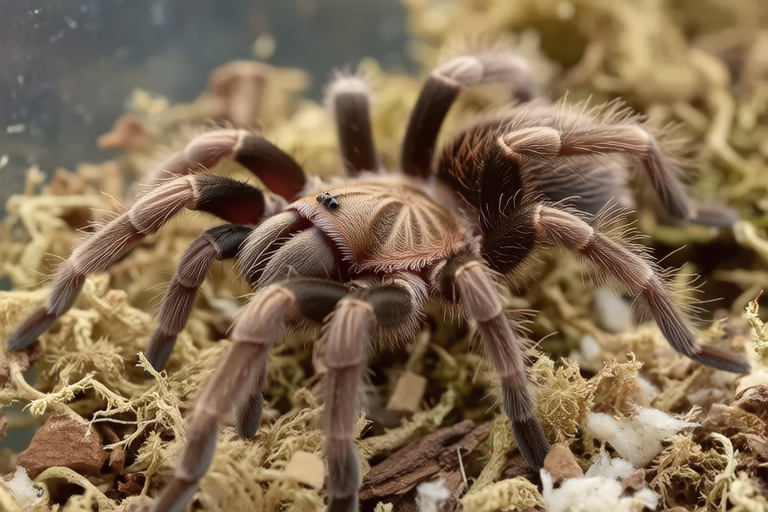
Top Secrets of Chilean Rose Tarantula Care: A Beginner’s Guide
Welcome to the fascinating world of tarantulas! If you’re considering adopting a Chilean rose tarantula, also known as Grammostola rosea, you’ve chosen one of the most popular and beginner-friendly species. This guide will provide you with essential tips on habitat setup, temperature and humidity requirements, diet specifics, handling techniques, health issues to watch for, and common myths debunked. By following these guidelines, you’ll ensure your pet tarantula thrives in its new home.
Habitat Setup
The first step in caring for your Chilean rose tarantula is setting up its enclosure properly. Start by choosing a suitable tank size; a 10-gallon aquarium is ideal for adults. Ensure the tank has a secure lid with ventilation holes to prevent escapes. The substrate should be at least 3 inches deep, providing enough space for burrowing. Coconut fiber or a mix of potting soil and sand works well. Add a few hiding spots like cork bark or half logs to mimic natural environments.
Temperature and Humidity Requirements
Maintaining the right temperature and humidity levels is crucial for your tarantula’s health. Aim for daytime temperatures between 78°F and 85°F (25°C – 29°C), dropping slightly at night to around 72°F (22°C). Use a thermometer and hygrometer to monitor these conditions accurately. Maintain humidity levels between 60% and 80%, which can be achieved through regular misting and ensuring proper ventilation.
Diet Specifics
Chilean rose tarantulas are carnivorous and require a varied diet consisting of insects. Feed them once or twice a week with appropriately sized prey such as crickets, mealworms, or dubia roaches. Dust the prey with calcium and vitamin supplements before feeding to ensure your tarantula receives all necessary nutrients. Avoid overfeeding, as obesity can lead to health problems.
Handling Techniques
While handling your tarantula may seem tempting, it’s important to handle it gently and infrequently. Always wash your hands before and after handling to avoid transferring oils or chemicals that could harm your pet. Support the tarantula from underneath rather than grabbing it by the legs or abdomen. Remember, even though they are generally docile, tarantulas can become stressed if handled too much, so limit interactions to when absolutely necessary.
Health Issues to Watch For
Regular observation of your tarantula helps catch potential health issues early. Look out for signs of dehydration, such as wrinkled skin, and respiratory distress, indicated by rapid leg movements or mouth gapping. Moulting is a natural process but can be dangerous if interrupted. During this time, increase humidity slightly and avoid disturbing the tarantula until the moult is complete. If you notice any unusual behavior or physical changes, consult a veterinarian specializing in exotic pets immediately.
Common Myths Debunked
- Myth: Tarantulas are aggressive and bite often.
Fact: While all tarantulas have venom, their bites are rarely harmful to humans. They prefer to flee rather than fight, and biting is usually a last resort. - Myth: Tarantulas need lots of space.
Fact: Chilean rose tarantulas thrive in smaller enclosures, provided they have adequate hiding spots and substrate depth. - Myth: Tarantulas don’t require water dishes.
Fact: Although tarantulas drink dew and moisture from their environment, providing a shallow water dish ensures they always have access to fresh water.
Safety and Proper Care Practices
When caring for your Chilean rose tarantula, prioritize safety both for yourself and your pet. Always supervise children when they interact with the tarantula to prevent accidental injury. Keep the enclosure away from areas where it might be knocked over, and never leave the lid off unattended. Regularly clean the enclosure to maintain hygiene and prevent the buildup of harmful bacteria.
Unique Needs of Chilean Rose Tarantulas
Chilean rose tarantulas have some unique care requirements compared to other tarantula species. They are known for their docile nature and ability to adapt to various environments. However, they still require specific conditions to thrive. Their burrowing behavior necessitates a deep substrate layer, and they benefit from regular environmental enrichment to stimulate natural behaviors.
Conclusion
Caring for a Chilean rose tarantula is a rewarding experience that comes with great responsibility. By understanding and meeting their unique needs regarding habitat setup, temperature and humidity control, diet management, handling techniques, and monitoring health, you’ll provide your pet with the best possible life. Remember, every tarantula is an individual, so pay close attention to your pet’s behavior and adjust care accordingly. With patience and dedication, you’ll enjoy many years of companionship with your Chilean rose tarantula.
