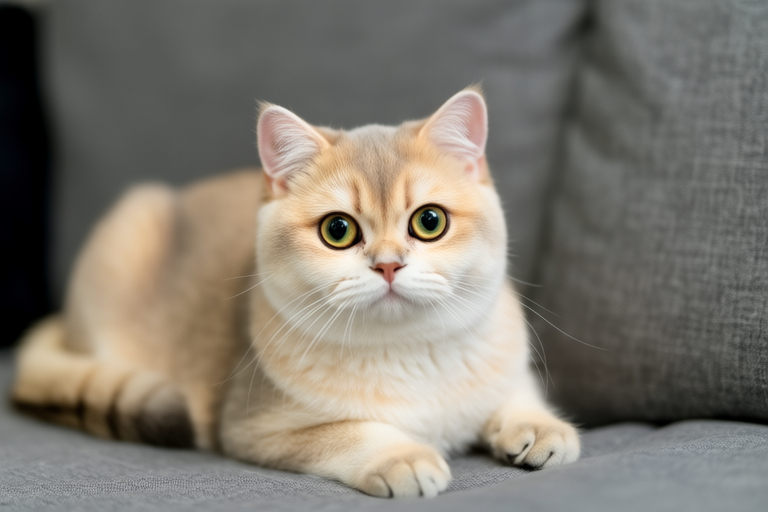
Golden British Shorthairs: A Complete Care Manual for Cat Lovers
1. Introduction to Golden British Shorthair Cats
The Golden British Shorthair is a captivating breed known for its luxurious golden coat and calm demeanor. Originating from the United Kingdom, this breed has a rich history intertwined with British aristocracy. The Golden British Shorthair stands out due to its unique golden hue, which can range from light cream to deep amber, adding an extra layer of elegance to its already regal appearance. These cats are medium to large-sized, robust, and have a broad chest and sturdy bone structure.
2. Physical Traits of Golden British Shorthairs
The Golden British Shorthair’s most striking feature is its plush, dense coat that comes in various shades of gold. Their eyes are typically round and large, often complemented by a soft green or copper color, which adds to their charming and expressive gaze. Their bodies are well-proportioned, with a broad chest and strong legs. Their heads are rounded, featuring prominent cheeks and a short, blunt nose. The ears are small and set wide apart, giving them an almost regal look.
3. Personality Traits and Temperament
Golden British Shorthairs are renowned for their gentle and affectionate nature. They are known to be patient and tolerant, making them excellent companions for families with children. Their calm and relaxed demeanor means they adapt well to various environments, whether it’s a bustling household or a quiet home. They are not overly active but enjoy interactive play and cuddle sessions with their owners. Their loyalty and devotion make them cherished members of many households.
4. Dietary Needs and Feeding Guidelines
Golden British Shorthairs have specific dietary requirements that cater to their health and longevity. High-quality protein sources like chicken, fish, and turkey are essential components of their diet. They require a balanced mix of vitamins and minerals to support their robust physique. Avoid feeding them table scraps or excessive treats to prevent obesity. Regular meals at consistent times help maintain their digestive health. Consult a veterinarian for personalized dietary advice based on your cat’s age, weight, and activity level.
5. Grooming Requirements
Grooming is crucial for maintaining the Golden British Shorthair’s luxurious coat. Regular brushing, ideally daily, helps remove loose fur and prevents matting. Use a slicker brush to ensure thorough grooming. Bathing should be done only when necessary, usually every few months, to avoid stripping their skin of natural oils. Trim their nails regularly to prevent overgrowth and potential injury. Dental hygiene is also important; use toothbrushes and toothpaste designed for cats to maintain oral health.
6. Health Concerns and Preventive Care
Golden British Shorthairs may be prone to certain health issues such as hip dysplasia, cardiomyopathy, and obesity. Regular veterinary check-ups are vital to monitor their health and catch any potential problems early. Maintain a balanced diet and regular exercise routine to prevent obesity. Vaccinations and parasite control are essential preventive measures. Genetic testing can identify predispositions to certain conditions, allowing for proactive management.
7. Exercise and Playtime Recommendations
Despite their calm nature, Golden British Shorthairs benefit from regular physical activity to maintain their health. Interactive toys, such as feather wands or laser pointers, engage their minds and bodies. Provide scratching posts to encourage natural behaviors and prevent damage to furniture. Encourage climbing and jumping with cat trees or shelves. Daily play sessions, even if brief, contribute to their overall well-being.
8. Training Techniques
Training Golden British Shorthairs can be rewarding and fun. Positive reinforcement techniques, such as clicker training, work well. Reward desired behaviors with treats and praise. Consistency is key in training. Teach basic commands like ‘come,’ ‘sit,’ and ‘stay’ to enhance communication. Redirect unwanted behaviors, such as scratching furniture, by providing appropriate alternatives like scratching posts.
9. Choosing Toys and Accessories
Select toys and accessories that stimulate the Golden British Shorthair’s natural instincts. Puzzle feeders challenge their minds while providing mental stimulation. Interactive toys like wand toys or teaser toys encourage hunting behavior. Provide climbing structures and perches to satisfy their need for height. Consider a cozy bed and comfortable resting spots to create a welcoming environment. Rotate toys periodically to keep them engaged and prevent boredom.
10. Integrating into a Family Environment
Integrating a Golden British Shorthair into a family requires careful consideration. Ensure a gradual introduction to new family members, especially children, to establish trust and understanding. Supervise initial interactions to ensure everyone’s safety. If introducing another pet, allow them to meet under controlled circumstances. Establish a routine that accommodates all family members and pets. Provide individual attention and care to each member of the household to foster a harmonious environment.
11. Conclusion
Owning a Golden British Shorthair is a rewarding experience filled with joy and companionship. Their unique appearance, gentle nature, and adaptability make them beloved pets. However, responsible ownership involves meeting their specific care needs, including proper nutrition, grooming, and health monitoring. By providing a loving and stimulating environment, you ensure a long and happy life for your Golden British Shorthair. Embrace the responsibility and cherish the moments spent with this magnificent breed.
