The Vibrant World of Koi Fish: Colors, Breeds, Health, and Care
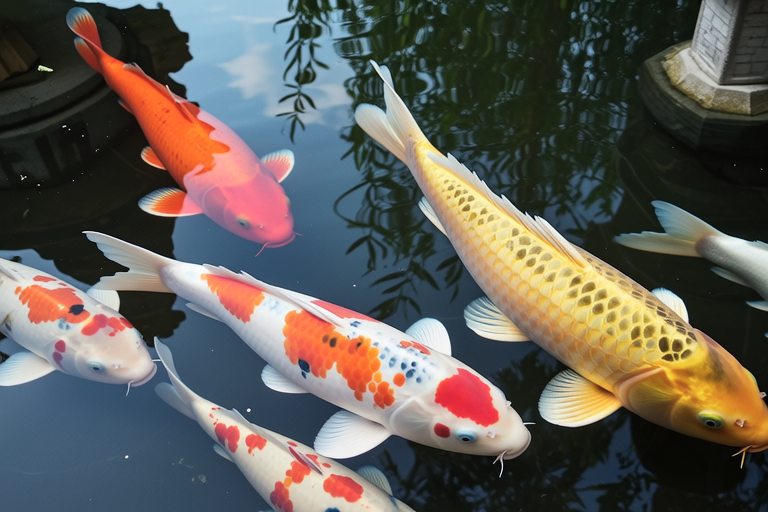
Koi fish are one of the most popular ornamental fish species, known for their striking colors and graceful movements. These fish have been bred for centuries in Japan, and their popularity has spread worldwide. The diverse range of colors and patterns found in koi fish not only adds to their aesthetic appeal but also provides valuable information about their breed, health, and origin. In this article, we will explore the significance of different color patterns in koi fish and how these hues reveal specific characteristics or genetic traits.
Understanding Koi Fish Colors
The most common colors found in koi fish are red, white, black, blue, and yellow. Each color has its own significance and can indicate specific characteristics or genetic traits. Red koi, for instance, are often associated with vitality and good fortune. White koi symbolize purity and peace, while black koi represent mystery and strength. Blue koi are rare and highly prized, and yellow koi are considered symbols of wealth and prosperity.
Red Koi
Red koi are some of the most popular and recognizable types of koi. Their vibrant red color can range from a deep crimson to a bright orange, and it is caused by the presence of carotenoids in their skin. Red koi are often associated with vitality and good fortune, making them a popular choice for ponds and aquariums. However, red koi can be more susceptible to sunburn and may require additional shade or protection from direct sunlight.
White Koi
White koi are known for their pure and serene appearance. They are often associated with purity and peace, and their white color is caused by the absence of pigmentation in their skin. White koi can sometimes be difficult to distinguish from other koi, so it is important to look for subtle differences in their patterns and markings. White koi are generally hardy and adaptable, making them a good choice for beginners.
Black Koi
Black koi are known for their sleek and mysterious appearance. They are often associated with strength and power, and their black color is caused by the presence of melanin in their skin. Black koi can sometimes appear dull or faded if they are not kept in optimal conditions, so it is important to ensure that they have access to clean water and proper nutrition. Black koi are generally hardy and adaptable, making them a good choice for beginners.
Blue Koi
Blue koi are one of the rarest and most highly prized types of koi. Their vibrant blue color is caused by the presence of iridophores in their skin, which reflect light and give them their unique hue. Blue koi are often associated with calmness and tranquility, and they are a popular choice for ponds and aquariums. However, blue koi can be more sensitive to changes in water quality and temperature, so it is important to provide them with a stable and consistent environment.
Yellow Koi
Yellow koi are known for their bright and cheerful appearance. They are often associated with wealth and prosperity, and their yellow color is caused by the presence of xanthophylls in their skin. Yellow koi are generally hardy and adaptable, making them a good choice for beginners. However, yellow koi can sometimes be more sensitive to changes in water quality and temperature, so it is important to provide them with a stable and consistent environment.
Color Patterns and Genetic Traits
The color patterns found in koi fish are determined by a combination of genetic factors and environmental influences. Some of the most common color patterns include red and white, red and black, and red, white, and black. Each of these patterns can indicate specific genetic traits or characteristics.
Red and White Koi
Red and white koi are some of the most popular and recognizable types of koi. Their striking color pattern is caused by the presence of carotenoids and the absence of pigmentation in their skin. Red and white koi are often associated with vitality and good fortune, making them a popular choice for ponds and aquariums. However, red and white koi can be more susceptible to sunburn and may require additional shade or protection from direct sunlight.
Red and Black Koi
Red and black koi are known for their bold and dramatic appearance. Their color pattern is caused by the presence of carotenoids and melanin in their skin. Red and black koi are often associated with strength and power, and they are a popular choice for ponds and aquariums. However, red and black koi can be more sensitive to changes in water quality and temperature, so it is important to provide them with a stable and consistent environment.
Red, White, and Black Koi
Red, white, and black koi are some of the most striking and visually appealing types of koi. Their color pattern is caused by the presence of carotenoids, melanin, and the absence of pigmentation in their skin. Red, white, and black koi are often associated with good fortune and prosperity, making them a popular choice for ponds and aquariums. However, red, white, and black koi can be more sensitive to changes in water quality and temperature, so it is important to provide them with a stable and consistent environment.
Color Variations and Environment
The color variations found in koi fish can have an impact on their environment and care requirements. For example, red koi may require additional shade or protection from direct sunlight to prevent sunburn, while blue koi may be more sensitive to changes in water quality and temperature. It is important to understand the specific needs of each type of koi to ensure that they thrive in their environment.
Water Quality
Water quality is one of the most important factors in maintaining the health and well-being of koi fish. Poor water quality can lead to a variety of health problems, including discoloration, fading, and loss of appetite. To maintain optimal water quality, it is important to regularly test the water for pH, ammonia, nitrite, and nitrate levels, and to perform partial water changes as needed.
Temperature
Temperature is another important factor in maintaining the health and well-being of koi fish. Koi fish are cold-water fish and prefer temperatures between 68°F and 74°F (20°C and 23°C). Temperatures outside of this range can cause stress and illness, so it is important to monitor the water temperature and provide appropriate heating or cooling as needed.
Lighting
Lighting can also have an impact on the color and appearance of koi fish. Direct sunlight can cause red koi to fade or develop sunburn, while blue koi may appear dull or faded if they are not exposed to adequate lighting. To maintain optimal lighting conditions, it is important to provide shade or protection from direct sunlight for red koi and to ensure that blue koi have access to adequate lighting.
Identifying Healthy Koi Based on Color and Pattern
One of the best ways to identify healthy koi is by examining their color and pattern. Healthy koi should have bright and vibrant colors, with no signs of fading or discoloration. Their scales should be smooth and intact, with no signs of damage or disease. Additionally, healthy koi should have clear eyes and a healthy appetite.
Color Fading
Color fading is one of the most common signs of poor health in koi fish. This can be caused by a variety of factors, including poor water quality, inadequate nutrition, or exposure to direct sunlight. To prevent color fading, it is important to maintain optimal water quality, provide a balanced diet, and protect red koi from direct sunlight.
Disease and Discoloration
Disease and discoloration are other common signs of poor health in koi fish. These can be caused by a variety of factors, including bacterial infections, parasitic infestations, or nutritional deficiencies. To prevent disease and discoloration, it is important to maintain optimal water quality, provide a balanced diet, and monitor the fish for any signs of illness.
Scales and Appetite
Scales and appetite are two other important indicators of koi health. Healthy koi should have smooth and intact scales, with no signs of damage or disease. Additionally, healthy koi should have a healthy appetite and be active and alert. If you notice any signs of illness or distress, it is important to take action immediately to address the issue.
Conclusion
The vibrant colors and patterns found in koi fish not only add to their aesthetic appeal but also provide valuable information about their breed, health, and origin. By understanding the significance of different color patterns and how they indicate specific characteristics or genetic traits, you can better appreciate the diversity and beauty of koi fish. Additionally, by providing your koi with a stable and consistent environment, you can help ensure that they remain healthy and vibrant for years to come.
