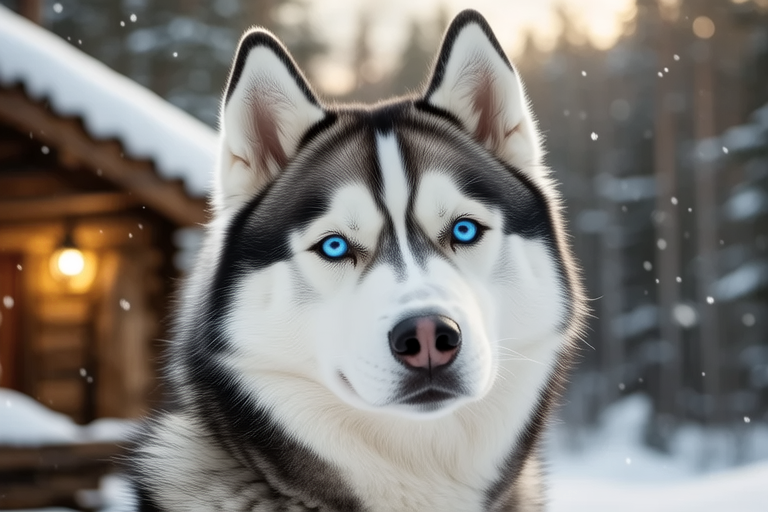
Unleashing the Truth: Myths and Realities About Raising a Siberian Husky
Welcome to the world of Siberian Huskies! These beautiful, wolf-like dogs have captured the hearts of many with their striking appearance and seemingly mysterious aura. However, before you decide to bring one into your home, it’s important to understand the realities behind some of the common myths surrounding this breed. Let’s dive into the truth about raising a Siberian Husky.
Debunking Common Myths
Loyalty and Trainability
One of the most prevalent myths about Siberian Huskies is their unwavering loyalty and ease of training. While these dogs can indeed be loving companions, they are also known for their independent nature. This doesn’t mean they lack loyalty; rather, they require consistent and patient training methods. Siberian Huskies respond well to positive reinforcement and clear boundaries. Their intelligence means they can quickly learn commands, but they may not always follow them out of a sense of obedience. Instead, they will do so because they understand what is expected of them and want to please their owners.
Realistic Expectations
Exercise Needs
Siberian Huskies were originally bred for endurance, pulling sleds over long distances in harsh conditions. Consequently, they have high energy levels and require substantial physical activity. A daily walk is essential, but this alone might not be enough. Consider incorporating more vigorous activities such as running, hiking, or even participating in dog sports like agility or flyball. Without adequate exercise, Siberian Huskies can become restless and destructive.
Shedding Habits
Another common myth is that Siberian Huskies shed less than other breeds. The reality is quite different. These dogs are heavy shedders, especially during seasonal changes. Regular brushing is necessary to manage their shedding and keep their coats healthy. Expect to find fur around your home, especially after a good brushing session. Despite the mess, their thick double coat provides excellent insulation against cold weather, making them ideal companions for cooler climates.
Compatibility with Other Pets
While Siberian Huskies are generally friendly and playful, their natural prey drive can sometimes pose challenges when introducing them to smaller animals. Early socialization and supervised interactions are crucial. It’s advisable to introduce your Siberian Husky to other pets gradually and under controlled conditions. With proper training and patience, they can coexist peacefully with cats, rabbits, and other small animals.
Practical Advice
Grooming
Grooming a Siberian Husky is a commitment that requires regular maintenance. Their coat needs to be brushed at least twice a week to prevent matting and remove loose hair. During peak shedding seasons, daily brushing might be necessary. Bathing should be limited to once every few months to avoid stripping their coat of its natural oils. Additionally, pay attention to their nails, ears, and teeth to ensure overall health.
Dietary Requirements
Siberian Huskies have specific dietary needs due to their active lifestyle. A balanced diet rich in protein and fat is crucial for maintaining their energy levels and muscle mass. Consult with a veterinarian to determine the appropriate amount of food based on your dog’s age, weight, and activity level. Avoid overfeeding, as obesity can lead to health issues. Fresh water should always be available to keep them hydrated.
The Importance of Socialization
Socialization is key to raising a well-rounded Siberian Husky. Expose your puppy to various environments, people, and other animals from an early age. This helps them develop confidence and good manners. Proper socialization can prevent behavioral problems and ensure your dog is comfortable in different situations. Enroll in obedience classes to reinforce training and provide mental stimulation.
Personal Insights
As someone who has owned Siberian Huskies, I can attest to the unique joys and challenges of having one as part of your family. Their affectionate nature and playful demeanor make them delightful companions. However, their independence can be both a blessing and a curse. They thrive when given tasks or activities to engage their minds and bodies. Training sessions and playtime not only strengthen the bond between you and your dog but also provide mental and physical outlets for their energy.
One memorable experience involved taking my Siberian Husky on a camping trip. Despite the challenging terrain and unpredictable weather, she remained steadfast and enthusiastic throughout the journey. Her resilience and adaptability were truly remarkable. Moments like these remind me why Siberian Huskies are such beloved companions.
However, owning a Siberian Husky also comes with its fair share of challenges. Their tendency to wander can be frustrating, especially if they are not properly secured. Ensuring they have a safe and secure environment is paramount. Leash training and teaching basic commands from an early age can help mitigate this issue. Patience and consistency are key in managing their behavior and ensuring their safety.
In conclusion, raising a Siberian Husky is a rewarding experience filled with love, adventure, and learning. By understanding the realities behind the myths and setting realistic expectations, you can provide your furry friend with a happy and fulfilling life. With proper care, training, and socialization, you’ll be well-prepared to welcome a Siberian Husky into your family and enjoy the unique joys they bring.
