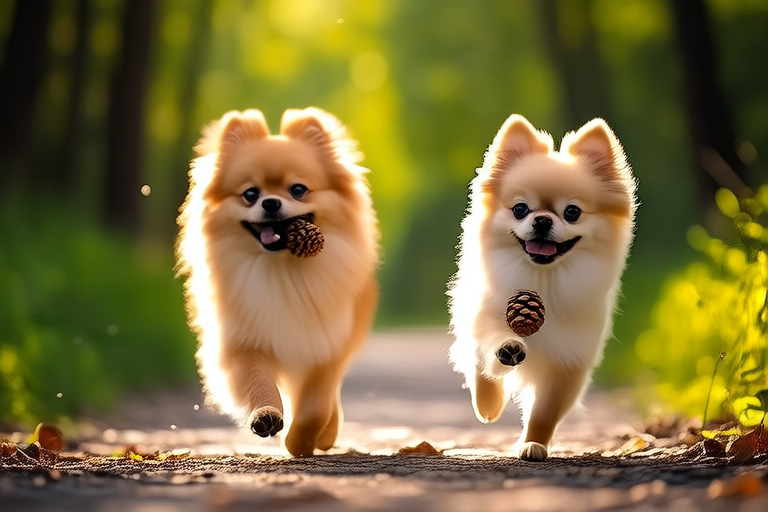
Pomeranians Unleashed: Adventures with the Tiniest Members of Our Pack
When it comes to loyal and spirited companions, Pomeranians have long been cherished as one of the most delightful breeds. With their fluffy coats and big personalities, these tiny dogs bring a world of joy and adventure to the lives of their owners. In this article, we will delve into the unique characteristics, care tips, and adventurous spirit of Pomeranians, offering insights into their history, temperament, training methods, health considerations, and how they integrate into family life. We’ll also share real-life stories and anecdotes that highlight their spirited nature and the deep bond they form with their human pack.
A Brief History of Pomeranians
The history of Pomeranians traces back to the ancient land of Pomerania, which is now part of Poland and Germany. These dogs were originally much larger, used by Arctic explorers for sled-pulling and guarding purposes. Over time, they were bred down to their current size, becoming the beloved lapdogs we know today. Queen Victoria’s affection for Pomeranians helped popularize the breed in the 19th century, and since then, they’ve captured the hearts of dog lovers worldwide.
The Spirited Temperament of Pomeranians
Pomeranians are known for their lively and playful demeanor. They are curious, intelligent, and often vocal, making them excellent watchdogs despite their small stature. Their alertness and quick reflexes make them perfect companions for families who enjoy outdoor activities and adventures. However, their high energy levels can sometimes lead to mischievous behavior if not properly managed. Early socialization and consistent training are essential to ensure that your Pomeranian grows up to be well-behaved and confident.
Care Tips for Your Pomeranian
Proper care is crucial for keeping your Pomeranian happy and healthy. Regular grooming is necessary to maintain their luxurious double coat, which can mat easily if not cared for properly. A balanced diet rich in nutrients will help support their overall health and vitality. Additionally, regular exercise and mental stimulation are vital to keep your Pomeranian physically fit and mentally engaged.
Grooming
Pomeranians have a thick, double coat that requires frequent brushing to prevent matting and tangling. It’s recommended to brush your Pomeranian at least three times a week, especially during shedding seasons. Bathing should be done every few months or as needed, using a gentle shampoo suitable for dogs. Pay special attention to their ears and nails, trimming nails regularly to avoid overgrowth and discomfort.
Diet and Nutrition
Feeding your Pomeranian a high-quality, balanced diet is essential for maintaining their health. Consult with your veterinarian to determine the appropriate amount and type of food based on your dog’s age, weight, and activity level. Avoid overfeeding, as obesity can lead to various health issues. Fresh water should always be available to keep your Pomeranian hydrated.
Exercise and Mental Stimulation
Despite their small size, Pomeranians need plenty of physical activity to stay healthy and happy. Daily walks and playtime are ideal for burning off excess energy and promoting good behavior. Interactive toys and puzzle feeders can provide mental stimulation, keeping your Pomeranian engaged and entertained. Training sessions and obedience classes are also beneficial for teaching your Pomeranian basic commands and reinforcing good behavior.
Training Methods for Pomeranians
Training a Pomeranian requires patience, consistency, and positive reinforcement. Pomeranians are intelligent dogs that respond well to reward-based training techniques. Treats, praise, and affection can motivate your Pomeranian to learn new skills and behaviors. Keep training sessions short and fun, incorporating games and exercises that encourage learning and bonding. Socialization from an early age is important to ensure your Pomeranian becomes comfortable around other people, animals, and environments.
Positive Reinforcement
Positive reinforcement involves rewarding your Pomeranian for desired behaviors rather than punishing unwanted ones. This method fosters a strong bond between you and your dog while encouraging good behavior. Use treats, praise, and affection to reinforce positive actions, and gradually phase out treats as your Pomeranian learns and masters each command. Consistency is key, so be sure to use the same commands and rewards throughout the training process.
Socialization
Socializing your Pomeranian from an early age helps them become well-adjusted and confident. Expose your puppy to different people, animals, and environments to build their confidence and reduce the likelihood of fear-based aggression. Puppy classes are a great way to introduce your Pomeranian to other dogs and handlers in a controlled setting. Always supervise interactions to ensure safety and positive experiences.
Health Considerations for Pomeranians
Like all breeds, Pomeranians are prone to certain health issues. Regular veterinary check-ups and preventative care can help identify and address potential problems early on. Some common health concerns for Pomeranians include dental disease, luxating patellas (dislocated kneecaps), and hypothyroidism. Maintaining a healthy weight, providing proper nutrition, and ensuring regular dental care can help minimize the risk of these conditions.
Dental Care
Dental hygiene is crucial for preventing tooth decay and gum disease in Pomeranians. Brush your Pomeranian’s teeth daily using a pet-safe toothbrush and toothpaste. Dental chews and toys can also help promote oral health by reducing plaque and tartar buildup. Regular veterinary dental cleanings may be necessary to maintain optimal oral health.
Luxating Patellas
Luxating patellas, or dislocated kneecaps, are a common issue in small dog breeds like Pomeranians. This condition can cause lameness and discomfort. If your Pomeranian is diagnosed with luxating patellas, your veterinarian may recommend surgical intervention to correct the problem. In mild cases, physical therapy and weight management can help manage symptoms and improve mobility.
Hypothyroidism
Hypothyroidism occurs when the thyroid gland doesn’t produce enough hormones, leading to lethargy, weight gain, and skin problems. Early diagnosis and treatment with hormone replacement therapy can help manage this condition effectively. Regular blood tests and close monitoring by your veterinarian are essential for maintaining your Pomeranian’s health.
Pomeranians in Family Life
Pomeranians are wonderful family pets that thrive in loving, supportive environments. Their small size makes them well-suited for apartment living, but they still require ample space to move around and explore. Pomeranians are generally good with children, provided that both parties are taught proper interaction techniques. Supervised playtime and gentle handling can help foster a positive relationship between children and their Pomeranian companions.
Real-Life Stories
One story that exemplifies the bond between Pomeranians and their owners is that of Max, a Pomeranian who accompanied his owner, Sarah, on her daily runs. Despite his small size, Max was determined to keep up with Sarah, running alongside her on the trail. His enthusiasm and determination inspired Sarah to push herself further, and their morning runs became a cherished ritual. Another heartwarming tale is that of Bella, a Pomeranian who saved her owner, Emily, from a fire by barking loudly and alerting neighbors. Bella’s quick thinking and bravery demonstrated the loyalty and protective instincts that Pomeranians are known for.
Conclusion
Pomeranians are truly remarkable companions that bring joy, adventure, and love to the lives of their owners. With their unique characteristics, spirited temperament, and unwavering loyalty, these tiny members of our pack have earned a special place in our hearts. By understanding their needs and providing proper care, training, and socialization, we can ensure that our Pomeranians live happy, healthy lives full of adventure. Whether they’re running alongside us on the trail, cuddling on the couch, or alerting us to potential dangers, Pomeranians remind us that big things come in small packages.
