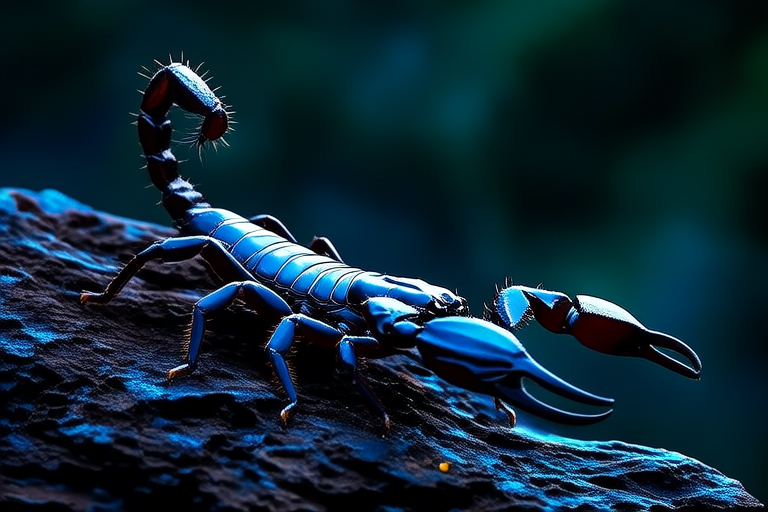
Heterometrus spinifer: The Unique Scorpion of Southeast Asia
The Heterometrus spinifer, commonly known as the spiny forest scorpion, is an intriguing member of the scorpion family. Native to the tropical forests of Southeast Asia, this species exhibits a range of fascinating physical attributes, behaviors, and ecological roles. In this article, we delve into the world of the Heterometrus spinifer, exploring its physical characteristics, habitat, diet, and behavior. We will also highlight its unique adaptations, interactions within its ecosystem, and the threats it faces. Comparisons with other scorpions will emphasize its uniqueness, while we will also explore its cultural significance, myths, and scientific interest. Finally, we will discuss conservation efforts and ways in which readers can contribute to the preservation of this remarkable creature.
Physical Characteristics
The Heterometrus spinifer is a medium-sized scorpion, typically measuring between 6 and 9 centimeters in length. It is characterized by its robust body, equipped with a pair of large pincers (pedipalps) and a long, segmented tail ending in a venomous stinger. Its exoskeleton is dark brown to black, providing excellent camouflage in its natural environment. One of the most striking features of this scorpion is its distinctive spines, which are present on its pedipalps and legs. These spines serve multiple purposes, including defense against predators and prey capture.
The pedipalps of the Heterometrus spinifer
are particularly impressive, featuring long, curved claws that can exert significant force. This adaptation allows the scorpion to grasp and manipulate prey effectively. Additionally, the spines on its legs provide extra stability and traction, enabling it to navigate rough terrain with ease. The tail, armed with a potent venom gland, is a vital tool for both defense and hunting. The venom, while not lethal to humans, can cause localized pain and swelling. The scorpion’s sensory organs, including chemoreceptors and mechanoreceptors, are highly developed, allowing it to detect prey and potential threats in its surroundings.
Habitat and Distribution
The Heterometrus spinifer thrives in the dense, humid rainforests of Southeast Asia, where it can be found in countries such as Thailand, Malaysia, Indonesia, and Vietnam. It prefers shaded areas, often residing under logs, rocks, and leaf litter. The scorpion’s dark coloration and spiny exoskeleton make it well-suited for life in these environments, providing effective camouflage and protection from predators. The abundance of hiding spots and prey in these habitats ensures a steady food supply and safety from larger animals.
Unlike many desert-dwelling scorpions, the Heterometrus spinifer is adapted to life in a tropical climate. It is nocturnal, emerging at night to hunt and avoid the heat of the day. During the day, it seeks refuge in cool, dark crevices, conserving energy and avoiding dehydration. The high humidity levels in its habitat prevent excessive water loss, a crucial adaptation for survival in these conditions.
Diet and Behavior
The Heterometrus spinifer is a carnivorous predator, feeding primarily on insects, spiders, and small vertebrates. It uses its powerful pedipalps to capture and immobilize prey, injecting venom through its stinger to subdue it. Once the prey is incapacitated, the scorpion tears it apart with its mouthparts and consumes the soft tissues. This feeding strategy allows the scorpion to obtain the necessary nutrients for growth and reproduction.
In addition to its hunting prowess, the Heterometrus spinifer displays complex social behaviors. Males engage in ritualized combat during the mating season, using their pedipalps to wrestle and assert dominance over rivals. The winner gains access to receptive females, ensuring the continuation of the species. After mating, the female carries the developing embryos internally for several months before giving birth to live young. The offspring remain attached to the mother’s back for several days, receiving protection until they are capable of fending for themselves.
Unique Adaptations
The Heterometrus spinifer has evolved several unique adaptations that set it apart from other scorpion species. Its spiny exoskeleton provides additional protection against predators and helps it maintain a firm grip on its prey. The scorpion’s ability to detect vibrations and chemical signals through its sensory organs allows it to locate prey and avoid danger with remarkable precision. Furthermore, its nocturnal lifestyle minimizes competition for resources and reduces exposure to daytime predators.
One of the most remarkable adaptations of the Heterometrus spinifer is its venom. While the venom is not lethal to humans, it contains a cocktail of toxins that can paralyze small prey and deter larger animals. Recent studies have revealed that the venom of the Heterometrus spinifer may have potential applications in medicine, particularly in the development of pain-relieving drugs. Researchers are currently investigating the molecular composition of the venom to uncover its therapeutic properties.
Interaction Within Its Ecosystem
The Heterometrus spinifer plays a crucial role in its ecosystem, serving as both predator and prey. As a top predator, it helps regulate insect populations, preventing overgrazing and maintaining a healthy balance within the food web. At the same time, the scorpion itself is vulnerable to predation by birds, snakes, and other larger animals, making it an important food source for these species. This intricate relationship highlights the interconnectedness of ecosystems and the importance of preserving biodiversity.
Despite its formidable appearance, the Heterometrus spinifer is generally non-aggressive towards humans. Encounters with humans are rare, and when they do occur, the scorpion usually attempts to flee rather than attack. However, it is essential to exercise caution when exploring its natural habitat, as a sting can still cause discomfort. Understanding the behavior and ecology of the Heterometrus spinifer can help minimize conflicts and promote coexistence with this fascinating creature.
Threats and Conservation
Like many species in Southeast Asia, the Heterometrus spinifer faces numerous threats to its survival. Habitat destruction due to deforestation, urbanization, and agricultural expansion poses one of the greatest challenges. The conversion of natural forests into farmland and settlements fragments the scorpion’s habitat, reducing the availability of suitable breeding sites and prey. Climate change also threatens the delicate balance of the scorpion’s ecosystem, potentially altering rainfall patterns and temperature regimes.
Another threat to the Heterometrus spinifer is illegal collection for the pet trade. Many individuals seek exotic pets, leading to the unsustainable removal of scorpions from their natural habitats. This practice not only disrupts local populations but also subjects the animals to stress and poor living conditions in captivity. To address these issues, conservationists are working to raise awareness about the importance of preserving wild populations and promoting responsible pet ownership.
Cultural Significance and Scientific Interest
In many cultures across Southeast Asia, scorpions hold symbolic meanings and are featured in folklore and mythology. Some believe that scorpions possess mystical powers or are associated with good fortune, while others view them as omens of misfortune or danger. These beliefs reflect the deep connection between humans and nature, as well as the respect and fear that people have for these creatures.
From a scientific perspective, the Heterometrus spinifer offers valuable insights into evolutionary biology, ecology, and pharmacology. Researchers are studying the scorpion’s venom to develop new treatments for various medical conditions, including chronic pain and neurological disorders. By understanding the molecular mechanisms behind the venom’s effects, scientists hope to unlock new possibilities for drug discovery and innovation.
Conclusion: Conservation Efforts and How You Can Help
The preservation of the Heterometrus spinifer is essential for maintaining the ecological balance of Southeast Asian forests and advancing our understanding of scorpion biology. Conservation efforts focus on protecting critical habitats, enforcing regulations against illegal collection, and raising public awareness about the importance of biodiversity. By supporting conservation organizations, participating in citizen science projects, and promoting sustainable practices, you can contribute to the survival of this remarkable species.
Whether through direct action or advocacy, every effort counts in safeguarding the future of the Heterometrus spinifer. By learning more about this incredible creature and sharing your knowledge with others, you can inspire a greater appreciation for the natural world and encourage collective responsibility for its protection.