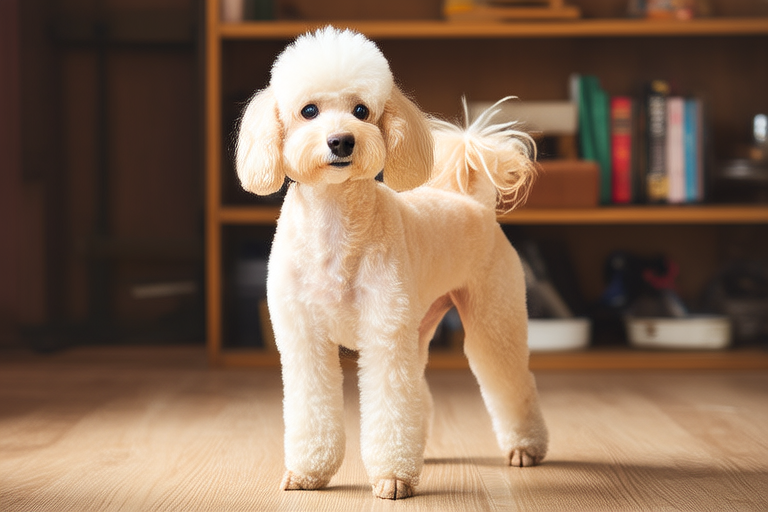
The Ultimate Guide to Owning a Poodle: Tips and Tricks
Welcome to the world of poodles! These intelligent, loyal, and elegant dogs have been captivating hearts for centuries. Whether you’re a first-time owner or an experienced handler, this guide will provide you with all the essential information you need to ensure your poodle leads a happy, healthy life. From understanding the different breeds to managing their unique grooming needs, we’ve got you covered.
Poodle Breeds
Poodles come in three main sizes: Standard, Miniature, and Toy. Each size has its own charm and specific characteristics.
- Standard Poodles: Standing at least 15 inches tall at the shoulder, these are the original hunting dogs. They are known for their intelligence and can be trained to perform complex tasks.
- Miniature Poodles: Ranging from 10 to 15 inches tall, they retain the same playful and smart nature as their larger counterparts but are more suited for apartment living.
- Toy Poodles: The smallest of the bunch, standing less than 10 inches tall, these little companions are perfect for those who prefer a smaller dog.
Regardless of size, all poodles share common traits such as hypoallergenic coats and high energy levels. Understanding your chosen breed’s typical behavior and temperament can help you tailor your care and training methods accordingly.
Grooming Needs
Poodles are famous for their distinctive coats, which require regular maintenance to keep them looking their best. Their hair grows continuously, similar to human hair, and can become tangled or matted if not cared for properly.
Frequency: Aim for professional grooming every 4 to 6 weeks. Between sessions, you can trim around the eyes and ears, and give your poodle a quick brush to remove loose hairs.
Tools: Invest in quality grooming tools like slicker brushes, wide-toothed combs, and scissors designed specifically for dogs. Regular brushing helps distribute natural oils throughout the coat, promoting healthy skin.
Remember, poodles are sensitive to pain, so handle them gently during grooming sessions. Positive reinforcement through treats and praise can make grooming a more enjoyable experience for both you and your pet.
Dietary Requirements
A balanced diet is crucial for maintaining your poodle’s health and vitality. High-quality dog food that meets AAFCO standards ensures adequate nutrition. Look for foods rich in protein, fats, carbohydrates, vitamins, and minerals tailored to your poodle’s age, weight, and activity level.
Allergies: Some poodles may develop food allergies, often manifesting as skin irritation or digestive issues. Consult your veterinarian if you notice any adverse reactions after changing your dog’s diet.
Portion Control: Overfeeding can lead to obesity, which puts extra strain on joints and increases the risk of diabetes and heart disease. Measure out meals carefully based on the recommended serving sizes provided by your dog food manufacturer.
Exercise Routines
Poodles are energetic dogs that require daily physical activity to stay fit and mentally stimulated. Regular exercise also helps prevent destructive behaviors caused by boredom.
Walking: A brisk walk of 30 minutes twice a day is ideal for most poodles. For larger breeds, longer walks might be necessary. Always use a harness instead of a collar to avoid putting undue pressure on their necks.
Playtime: Engage your poodle in interactive games like fetch or hide-and-seek. This not only burns off excess energy but also strengthens the bond between you and your pet.
Training: Incorporating obedience commands during play sessions can enhance your poodle’s mental stimulation. Teaching tricks and commands improves their cognitive function and reinforces good behavior.
Training Techniques
Poodles are highly trainable due to their intelligence and eagerness to please. However, consistent effort and positive reinforcement are key to successful training.
Basic Commands: Start with fundamental commands such as sit, stay, come, and down. Use treats as rewards when your poodle follows instructions correctly. Gradually phase out treats once your dog understands the commands well.
Advanced Training: Once your poodle masters basic commands, consider advanced training for activities like agility courses or therapy work. These pursuits offer mental challenges and opportunities for social interaction.
Patience: Be patient and persistent. Every dog learns at its own pace, so celebrate small victories along the way. Consistency in training ensures better retention of learned behaviors.
Health Concerns
Despite being generally healthy, poodles are prone to certain genetic conditions. Early detection and proactive management can significantly improve their quality of life.
- Hip Dysplasia: This condition affects the hip joint, causing discomfort and mobility issues. Regular vet check-ups can help monitor your poodle’s joint health.
- Progressive Retinal Atrophy (PRA): An inherited eye disorder leading to blindness. Genetic testing before breeding can reduce the incidence of this condition.
- Allergies: Common triggers include fleas, dust mites, and certain foods. Identifying and avoiding allergens can alleviate symptoms and improve overall comfort.
Vaccinations and routine check-ups are vital components of preventive healthcare. Discuss your poodle’s individual needs with your veterinarian to create a personalized care plan.
Advice for New Owners
Bringing home a new poodle is an exciting yet challenging experience. Here are some practical tips to ease the transition:
Establish Routines: Dogs thrive on consistency. Set regular feeding times, walking schedules, and bedtime routines to help your poodle feel secure.
Socialization: Expose your puppy to various environments, people, and other animals early on to foster confidence and good manners.
Patience: Puppies require time to adjust to their new surroundings. Give them space to explore and settle in without overwhelming them.
Education: Take advantage of resources available online and through local clubs to expand your knowledge about poodle care and training.
Owning a poodle is a rewarding journey filled with love, laughter, and companionship. By following these guidelines, you’ll be well-equipped to provide your furry friend with a fulfilling life full of joy and adventure.
