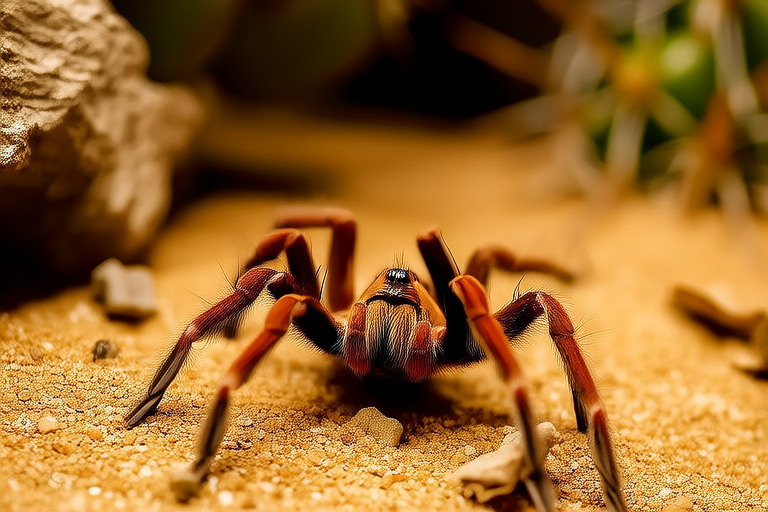
The Secret Life of the Chilean Rose Tarantula: Facts and Myths Debunked
The Chilean Rose Tarantula, also known as Grammostola rosea, is one of the most popular pet tarantulas in the world. Originating from the deserts and scrublands of South America, this spider has become a favorite among arachnophiles due to its manageable size, docile temperament, and striking appearance. In this article, we will explore the secret life of the Chilean Rose Tarantula, dispelling common myths and providing factual insights into its behavior, habitat, and care.
Natural Habitat and Physical Characteristics
The Chilean Rose Tarantula thrives in the arid regions of Chile, Argentina, and Bolivia. Its natural habitat includes dry forests, scrublands, and desert areas where it can find shelter under rocks or logs. The climate here is typically warm during the day but can drop significantly at night, creating a diurnal lifestyle for the tarantula.
Physically, the Chilean Rose Tarantula is a medium-sized spider, growing up to 4 inches (10 cm) in length. It is named for its distinctive pinkish-brown coloration, which becomes more vibrant when the spider is young and less so as it matures. Males tend to be slightly smaller than females and have longer legs. Both sexes have dense, short hairs covering their bodies, which serve multiple purposes such as protection and sensory perception.
Behavior and Interaction with Environment
Chilean Rose Tarantulas are primarily nocturnal, meaning they are most active during the night. They spend their days resting in burrows or crevices, conserving energy and avoiding predators. At night, they emerge to hunt for small insects like crickets, mealworms, and other invertebrates. Their hunting technique involves ambush predation; they wait motionlessly until prey comes within reach before pouncing with incredible speed.
These spiders are solitary animals, living alone except during mating season. They are territorial and will defend their space against intruders. However, they are generally non-aggressive towards humans unless provoked. When threatened, they may lift their front legs in a defensive posture or release urticating hairs from their abdomen, which can cause irritation if they come into contact with skin or eyes.
Feeding Habits and Survival Strategies
Chilean Rose Tarantulas are opportunistic feeders, eating whatever prey they can catch. In the wild, they consume a variety of insects and occasionally small vertebrates like lizards. As pets, they require a diet of live insects that are appropriately sized for their age and size. Juveniles need smaller prey items like fruit flies or pinhead crickets, while adults can handle larger prey like dubia roaches.
One of the most remarkable survival strategies employed by the Chilean Rose Tarantula is molting. This process, also known as ecdysis, occurs periodically throughout the spider’s life as it grows. During molting, the tarantula sheds its exoskeleton, revealing a new, larger one underneath. This allows the spider to grow and regenerate lost limbs. Molting can take several hours, during which the tarantula remains vulnerable. Owners of pet tarantulas should provide a humid environment to facilitate successful molts.
Myths About Aggression and Venom
One of the most pervasive myths about tarantulas is their supposed aggression. In reality, Chilean Rose Tarantulas are quite docile and rarely bite unless severely provoked. Their venom is mild and poses little threat to humans. While a bite might cause localized pain similar to a bee sting, it is not dangerous to healthy individuals.
Another misconception is that all tarantulas are highly venomous. While some species possess potent venom, the Chilean Rose Tarantula’s venom is relatively weak compared to other spiders. The primary purpose of their venom is to immobilize and digest prey rather than to defend against larger threats.
Lifespan, Reproduction, and Care Tips
The average lifespan of a Chilean Rose Tarantula is around 8 to 10 years, with females often living longer than males. Females can reach up to 15 years of age under optimal conditions. Reproduction in these spiders involves complex behaviors. Male tarantulas mature faster and reach sexual maturity earlier than females. During courtship, the male uses specialized appendages called pedipalps to transfer sperm to the female.
After mating, the female lays eggs in a silk cocoon, which she guards fiercely. Once hatched, spiderlings undergo several molts before reaching adulthood. For those interested in keeping Chilean Rose Tarantulas as pets, providing an appropriate enclosure is crucial. A terrarium with proper ventilation, substrate for burrowing, and hiding spots ensures a comfortable living environment. Regular cleaning and maintaining humidity levels between 60% and 80% are essential for their health.
Conclusion
In conclusion, the Chilean Rose Tarantula is a fascinating creature with many intriguing aspects that extend far beyond popular misconceptions. From its unique habitat preferences and dietary habits to its impressive survival techniques, there is much to learn about this remarkable spider. By understanding and appreciating the Chilean Rose Tarantula’s true nature, we can foster greater respect for these misunderstood arachnids and ensure their well-being both in the wild and as beloved pets.
