Top 10 Myths About Hermit Crabs You Need to Stop Believing
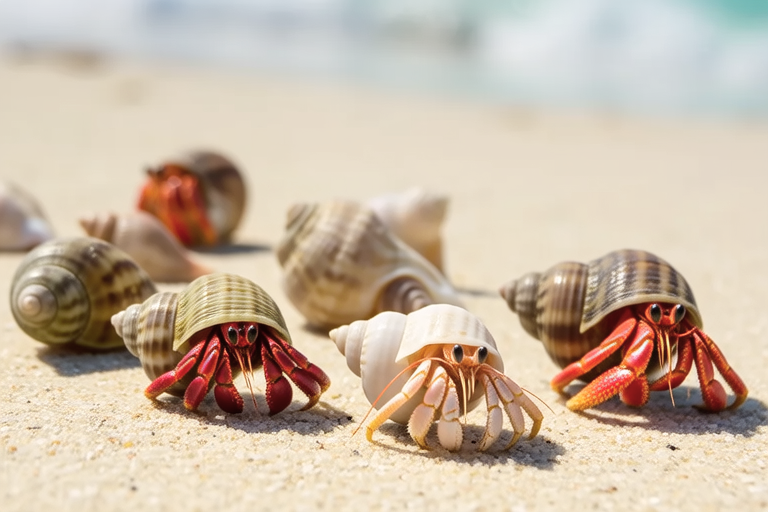
Welcome to the fascinating world of hermit crabs! These unique creatures are not true crabs but are members of the superfamily Paguroidea. Known for their ability to carry their homes on their backs, hermit crabs have become increasingly popular as pets. Their shells are second-hand, often taken from dead snails, and they change them as they grow. Hermit crabs are social animals, preferring to live in groups rather than alone. They are also known for their nocturnal behavior and can live up to 30 years under ideal conditions.
Myth 1: Hermit Crabs Don’t Need Water
Fact: While hermit crabs do not live in water like fish, they still require regular access to both fresh and saltwater. This is because they breathe through gills, which need to stay moist. Studies have shown that hermit crabs kept without access to water can experience respiratory distress and dehydration. Providing a shallow dish of dechlorinated freshwater and another of filtered saltwater in their habitat is essential for their health.
Myth 2: Hermit Crabs Are Low-Maintenance Pets
Fact: Although hermit crabs may seem simple at first glance, they require a specific environment to thrive. The humidity level in their enclosure must be maintained between 70% and 80%. This can be achieved through the use of a humidifier, misting the tank daily, and providing a substrate that retains moisture. Additionally, hermit crabs need a balanced diet that includes proteins, fruits, and vegetables. Regular cleaning of their habitat is also necessary to prevent the buildup of harmful bacteria.
Myth 3: Hermit Crabs Can Survive on Just Shell Gravel
Fact: Hermit crabs are omnivores and require a varied diet to stay healthy. While shell gravel can provide some calcium, it should not be the only food source. Experts recommend offering a mix of fruits, vegetables, and protein-rich foods such as boiled egg, fish, and insects. Providing a variety of food options helps ensure that hermit crabs receive all the nutrients they need. It’s important to avoid feeding them processed human foods, which can be harmful.
Myth 4: Hermit Crabs Only Change Shells When They’re Stressed
Fact: Hermit crabs change shells regularly as part of their natural growth process. As they outgrow their current shell, they seek larger ones to accommodate their expanding bodies. This behavior is not solely driven by stress; it’s a normal part of their lifecycle. Observing your hermit crab’s shell-changing habits can give you insights into its overall health and growth. Providing a variety of shell sizes and shapes in their habitat is crucial for their comfort and well-being.
Myth 5: Hermit Crabs Don’t Require a Substrate
Fact: A suitable substrate is essential for hermit crabs to dig, burrow, and hide. Sand, coconut fiber, or a mixture of both is commonly recommended. The substrate should be deep enough for them to bury themselves completely, typically around 3 to 4 inches. Not only does this mimic their natural environment, but it also aids in maintaining the required humidity levels within the enclosure. A proper substrate is key to preventing stress and promoting healthy behavior in hermit crabs.
Myth 6: Hermit Crabs Are Completely Harmless
Fact: While hermit crabs are generally docile, they can pinch if they feel threatened or stressed. This is a defensive mechanism and not an aggressive act. To minimize the risk of pinching, it’s important to handle hermit crabs gently and avoid sudden movements. If a hermit crab does pinch, it’s usually a sign that something in their environment needs attention. Understanding their behavior and providing a comfortable habitat can help reduce stress and prevent pinching incidents.
Myth 7: Hermit Crabs Don’t Need Light
Fact: Like many other animals, hermit crabs benefit from a light cycle that mimics their natural environment. A 12-hour light and dark cycle can help regulate their internal clocks and promote healthy behaviors. UVB lighting is particularly important as it helps hermit crabs produce vitamin D, which is essential for calcium absorption. However, direct sunlight can be harmful, so it’s best to use a specialized reptile light or a heat lamp designed for hermit crabs.
Myth 8: Hermit Crabs Are Solitary Creatures
Fact: Contrary to popular belief, hermit crabs are highly social animals. In the wild, they often live in large colonies, sharing burrows and interacting with one another. This social nature extends to captivity, where hermit crabs thrive when housed with companions. Keeping hermit crabs in pairs or small groups can lead to more active and engaged pets. It’s important to introduce new hermit crabs gradually to allow them to acclimate to one another and their shared space.
Myth 9: Hermit Crabs Don’t Need Space to Climb
Fact: Providing climbing opportunities is crucial for the physical and mental well-being of hermit crabs. In the wild, hermit crabs climb trees, rocks, and other structures. Offering branches, logs, or commercially available climbing accessories in their enclosure allows them to engage in natural behaviors. Climbing not only provides exercise but also helps prevent obesity and promotes overall health. Ensuring there are multiple climbing points at different heights can enhance the enrichment of their habitat.
Myth 10: Hermit Crabs Don’t Need Saltwater Baths
Fact: Saltwater baths are an essential part of hermit crab care. These baths help remove dirt and debris from their exoskeletons and shells, promoting cleanliness and hygiene. Bathing hermit crabs in a shallow dish of filtered saltwater for 10 to 15 minutes every week or two is recommended. It’s important to use a salt mix specifically formulated for marine life, as tap water contains chemicals that can be harmful. Regular baths contribute to the overall health and longevity of hermit crabs.
Tips for Responsible Hermit Crab Care
Now that we’ve debunked some common myths about hermit crabs, here are some tips for responsible care:
- Provide a well-maintained habitat with appropriate temperature, humidity, and substrate.
- Offer a varied diet including fresh and saltwater, fruits, vegetables, and protein sources.
- Ensure your hermit crabs have access to a wide range of shell sizes and climbing structures.
- Introduce new hermit crabs gradually to prevent stress and promote peaceful cohabitation.
- Regularly clean the enclosure to maintain hygiene and prevent bacterial growth.
- Provide regular saltwater baths to keep your hermit crabs clean and healthy.
By challenging misconceptions and providing optimal living conditions, you can ensure that your hermit crabs live long, happy lives. Remember, hermit crabs are fascinating creatures with unique needs. By understanding and meeting those needs, you can enjoy the rewarding experience of caring for these delightful pets.
