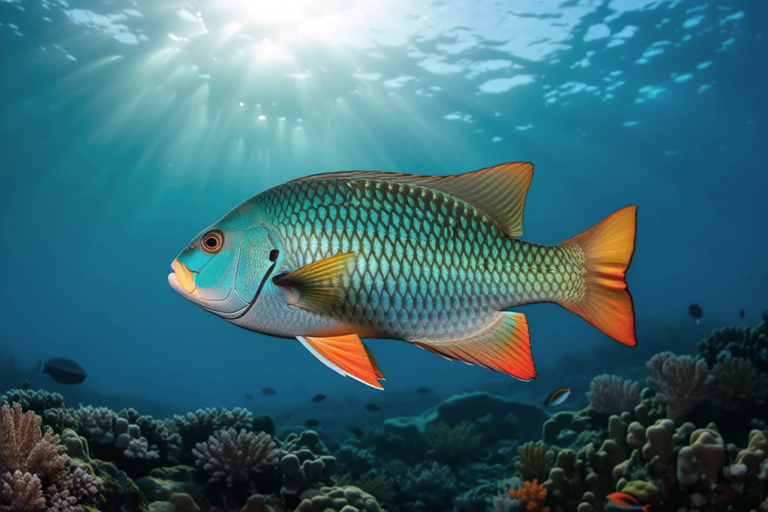
From Ocean Depths to Aquariums: Why Parrot Fish Fascinate Us All
The ocean is home to a myriad of creatures, each with its own unique charm and characteristics. Among these, parrot fish stand out as one of the most vibrant and fascinating species. Known for their colorful appearances and peculiar behaviors, these fish have captured the imagination of both marine biologists and hobbyists. This article delves into the world of parrot fish, exploring their unique features, their vital role in marine ecosystems, the challenges they face, and their presence in aquariums.
A Vibrant World of Parrot Fish
Parrot fish, belonging to the family Scaridae, are found in tropical and subtropical waters around the world. They are named for their beak-like mouths, which are used for feeding on algae and coral. The coloration of parrot fish varies greatly among species, ranging from striking shades of blue, green, and yellow to more subdued tones of brown and gray. Some species, like the Queen parrot fish, exhibit a dazzling array of colors that change throughout their lifetime, providing a visual spectacle for divers and snorkelers.
One of the most distinctive features of parrot fish is their ability to change sex. Many species are born as females and can later transition to males if needed. This phenomenon, known as sequential hermaphroditism, is crucial for maintaining population stability within the species. Their behavior is equally fascinating; they often form large schools, especially during mating season, creating a mesmerizing underwater dance.
The Role of Parrot Fish in Marine Ecosystems
Parrot fish play a crucial role in marine ecosystems, particularly in coral reefs. These fish are herbivores, feeding primarily on algae that grow on coral surfaces. By grazing on algae, they help maintain the balance between algae and coral, preventing algal overgrowth that could smother and kill the coral. This process is essential for the health and longevity of coral reefs, which are critical habitats for countless other marine species.
Moreover, the waste produced by parrot fish, often referred to as parrot fish sand, contributes to the formation of beaches. As they consume coral, their digestive processes break down the calcium carbonate, excreting it in the form of sand. This natural process has been occurring for millions of years, contributing significantly to the creation of many of the world’s tropical beaches.
Challenges in the Natural Habitat
Despite their importance, parrot fish face numerous challenges in their natural habitat. Human activities, such as overfishing and pollution, pose significant threats to their populations. Overfishing not only reduces their numbers but also disrupts the delicate balance of marine ecosystems. Pollution, including plastic debris and chemical runoff, affects water quality and harms the coral reefs where parrot fish live and feed.
Climate change further exacerbates these issues. Rising sea temperatures lead to coral bleaching events, where corals expel the symbiotic algae living in their tissues, causing them to turn white and often die. Without healthy coral reefs, parrot fish lose their primary source of food and shelter, leading to a decline in their populations. Additionally, increased carbon dioxide levels in the atmosphere lead to ocean acidification, making it harder for corals to build and maintain their skeletons.
Parrot Fish in Aquariums
For those unable to explore the ocean depths firsthand, keeping parrot fish in aquariums offers an opportunity to experience their beauty up close. However, caring for these fish requires careful consideration and dedication. The first step is ensuring that the aquarium is large enough to accommodate the species’ size and swimming habits. Parrot fish need ample space to swim and graze, so a tank of at least 150 gallons is recommended for most species.
Water quality is another critical factor. Parrot fish thrive in saltwater environments with stable parameters, including temperature, pH, and salinity. Regular testing and maintenance of these factors are necessary to ensure a healthy environment. Feeding parrot fish is straightforward, as they are primarily herbivores. A diet consisting of algae wafers, spirulina-based flakes, and occasional pieces of fresh or frozen vegetables will keep them healthy and active.
Keeping parrot fish as pets can be highly rewarding. Observing their vibrant colors and watching them graze on algae provides endless entertainment. Moreover, having these fish in captivity can raise awareness about the importance of marine conservation and inspire action to protect their natural habitats.
The Significance of Parrot Fish
Parrot fish captivate us all for a variety of reasons. Their unique appearance, behavior, and ecological roles make them fascinating subjects of study. For marine biologists, understanding the intricacies of their lives helps inform conservation strategies and management plans for coral reefs. For hobbyists, keeping parrot fish in aquariums offers a personal connection to the ocean and its inhabitants.
Ultimately, the fascination with parrot fish underscores the broader importance of ocean conservation. By appreciating these fish and learning about the challenges they face, we can better understand the need to protect our oceans. Whether through supporting sustainable fishing practices, reducing pollution, or advocating for climate policies, every action counts in preserving the vibrant world of parrot fish and the marine ecosystems they inhabit.
