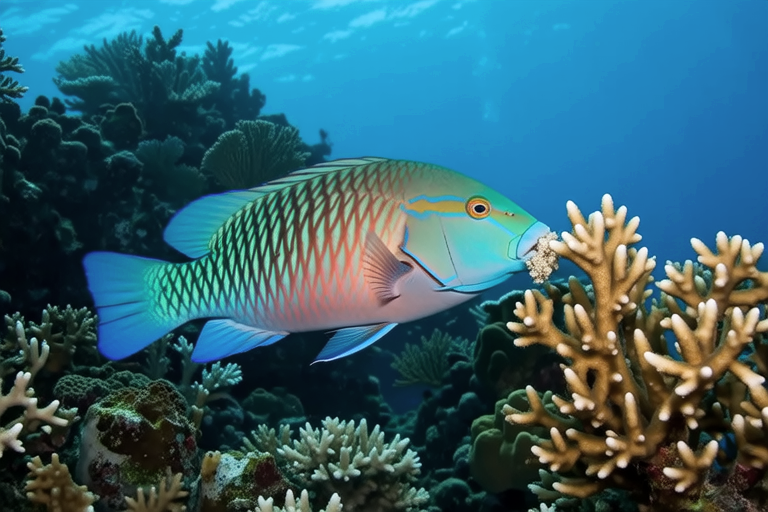
How Parrot Fish Are Shaping Coral Reefs Worldwide
In the vast and vibrant world of marine ecosystems, few creatures are as vital as parrot fish. These colorful, fascinating fish play a crucial role in maintaining the health and diversity of coral reefs around the globe. From the warm waters of the Caribbean to the Pacific Ocean, parrot fish are shaping the future of our underwater landscapes through their unique grazing habits and contributions to reef biodiversity.
The Grazing Habits of Parrot Fish
Parrot fish, named for their beak-like mouths and bright colors, have evolved to become efficient grazers of coral reefs. Their specialized teeth, arranged in rows like a parrot’s beak, allow them to scrape away layers of algae and coral polyps. This feeding behavior not only provides parrot fish with sustenance but also plays a pivotal role in keeping coral reefs healthy. By removing algae that can overgrow and smother corals, parrot fish ensure that the coral has enough sunlight and space to thrive.
Controlling Algae Growth
One of the most significant roles of parrot fish is controlling the growth of algae on coral reefs. Algal blooms can occur naturally or due to environmental stressors such as pollution or climate change. When left unchecked, these algal blooms can outcompete corals for resources, leading to coral death and reef degradation. Parrot fish act as natural regulators by consuming large quantities of algae, thus preventing excessive algal growth. Their presence ensures that corals remain dominant on the reef, allowing for the continued growth and reproduction of these vital marine structures.
Contribution to Reef Biodiversity
Beyond their direct interactions with corals and algae, parrot fish contribute significantly to the overall biodiversity of coral reefs. As they graze, they create spaces on the reef surface where other organisms can settle and grow. This process, known as bioerosion, helps maintain the structural complexity of the reef, providing habitats for numerous species of fish, invertebrates, and microorganisms. Additionally, parrot fish excrete sand after digesting coral and algae, contributing to the formation of beaches and islands in some regions. Their ecological importance cannot be overstated.
The Impact of Human Activities on Parrot Fish Populations
Despite their critical role in maintaining coral reef health, parrot fish populations are under threat from various human activities. Overfishing, driven by demand for their colorful meat and scales, has led to declines in many parrot fish species. Coastal development, pollution, and climate change further exacerbate the challenges faced by these fish. The reduction in parrot fish populations has significant consequences for coral reefs, as evidenced by studies showing increased algal cover and reduced coral growth in areas where parrot fish numbers have dwindled.
Recent Scientific Studies
Several recent scientific studies have highlighted the importance of parrot fish in coral reef ecosystems. A study published in Nature Communications found that areas with higher densities of parrot fish experienced slower rates of coral decline compared to areas where parrot fish were scarce. Another study, conducted by researchers at the University of Queensland, Australia, demonstrated that the removal of parrot fish from experimental reef systems led to a rapid increase in algal cover and a corresponding decrease in coral health. These findings underscore the urgent need for conservation efforts aimed at protecting parrot fish and their habitats.
Conservation Efforts
Recognizing the critical role of parrot fish in maintaining coral reef health, various conservation initiatives have been launched worldwide. Marine protected areas (MPAs) have been established in several regions to safeguard parrot fish populations and their habitats. These MPAs not only protect parrot fish but also benefit other marine species by promoting ecosystem resilience. In addition, community-based management programs have been implemented in some areas, empowering local communities to take ownership of reef conservation efforts. Education campaigns targeting consumers and fishermen aim to raise awareness about the importance of parrot fish and encourage sustainable fishing practices.
Conclusion
Parrot fish are indispensable to the health and survival of coral reefs worldwide. Their grazing habits and ability to control algae growth make them key players in maintaining the balance of these delicate ecosystems. However, human activities pose significant threats to parrot fish populations, jeopardizing the future of coral reefs. By supporting conservation efforts and adopting sustainable practices, we can help ensure the continued existence of these vibrant and essential marine environments. Understanding and appreciating the role of parrot fish in coral reef ecosystems is the first step toward preserving the beauty and biodiversity of our oceans for generations to come.
