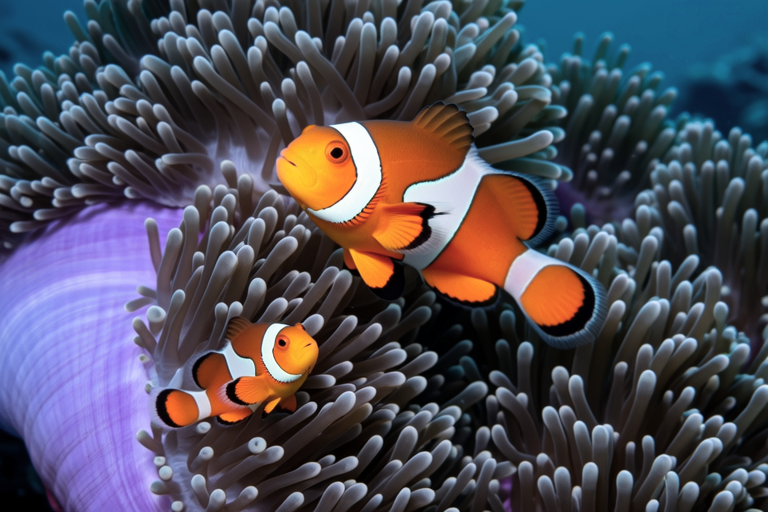
Clownfish and Their Anemone Partners: A Match Made in Nature
In the vibrant and mysterious world of the ocean, few partnerships are as fascinating as that between the clownfish and their anemone partners. This mutually beneficial relationship is one of nature’s most captivating examples of symbiosis, where both organisms benefit from each other’s presence. The clownfish, also known as anemonefish, find protection from predators within the stinging tentacles of the sea anemone, while the anemone benefits from the scraps of food left behind by the clownfish. This article delves into the intricate details of this relationship, the unique adaptations of clownfish, the diversity of species, and the threats to this delicate balance.
The Symbiotic Relationship
The relationship between clownfish and sea anemones is a classic example of mutualism, a type of symbiotic relationship where both organisms benefit. Sea anemones are sessile creatures that anchor themselves to the seabed, relying on their tentacles to capture prey. Clownfish, on the other hand, are small, colorful fish that live among the tentacles of these anemones. The anemone provides a safe haven for the clownfish, protecting them from larger predators, while the clownfish, in turn, provide nutrients to the anemone through their waste products and leftover food.
Clownfish are protected from predators by the anemone’s stinging tentacles, which deter potential threats like larger fish and even some marine mammals. The anemone’s tentacles are equipped with specialized cells called nematocysts, which release venomous barbs when touched. However, clownfish have developed a remarkable adaptation that allows them to coexist with these potentially lethal tentacles. The clownfish’s mucus coating acts as a barrier, preventing the nematocysts from firing. This adaptation is thought to develop over time as the clownfish spends more time in contact with the anemone, gradually building up resistance to the toxins.
Diversity of Clownfish Species
There are around 30 different species of clownfish, each with its own distinct coloration and patterns. These species vary widely in size, ranging from the tiny Amphiprion melanopus, which grows to only about 8 centimeters, to the larger Premnas biaculeatus, which can reach lengths of up to 14 centimeters. Each species has its own preferred anemone partner, with some species being highly specific about the type of anemone they associate with. For instance, the common clownfish (Amphiprion ocellaris) typically lives with the sea anemone Heteractis magnifica, while the tomato clownfish (Amphiprion frenatus) prefers the anemone Stichodactyla gigantea.
Clownfish exhibit a wide range of colors and patterns, including orange, red, yellow, black, and white. Some species, like the percula clownfish (Amphiprion percula), are brightly colored with alternating white and orange stripes, while others, like the false percula clownfish (Amphiprion ocellaris), have similar markings but with a more pronounced white border around their fins. The diversity of clownfish species highlights the adaptability of these fish to different environments and their ability to form strong bonds with various anemone species.
The Benefits to Both Parties
The benefits of this symbiotic relationship are numerous. For the clownfish, the anemone provides a secure home, protecting them from predators and offering shelter from strong currents. In return, the clownfish help the anemone by driving away potential predators and providing it with a steady supply of nutrients. Clownfish are known to eat algae, plankton, and other small organisms, and their waste products serve as a source of nitrogen for the anemone, promoting its growth. Additionally, clownfish may bring small fish or shrimp to the anemone, providing it with a ready meal.
The clownfish also play a role in cleaning the anemone, removing parasites and debris that could harm the host. This mutualistic relationship is crucial for both the clownfish and the anemone, as it ensures their survival in a challenging marine environment. Without the protection of the anemone, clownfish would be vulnerable to predation, while without the clownfish, the anemone would miss out on valuable nutrients and protection from predators.
Threats to the Partnership
Despite the strength of this symbiotic relationship, there are several threats that could disrupt the delicate balance between clownfish and sea anemones. One of the most significant threats comes from environmental changes, particularly climate change. Rising sea temperatures and ocean acidification can weaken anemones, making them less effective at capturing prey and more susceptible to disease. As anemones struggle to survive, clownfish may lose their primary source of protection, leaving them vulnerable to predators.
Human activities, such as overfishing and pollution, also pose a threat to this partnership. Overfishing can deplete populations of fish that would otherwise prey on clownfish, potentially leading to an increase in their numbers. While this might seem beneficial at first glance, it can lead to overpopulation and increased competition for resources. Pollution, particularly plastic waste and chemical runoff, can damage coral reefs and anemones, further threatening the survival of these important habitats.
Tourism also poses a risk to the clownfish-anemone relationship. Many divers and snorkelers visit coral reefs to see these beautiful fish and their anemone homes, but excessive tourism can disturb the delicate balance of these ecosystems. Touching or handling the anemones can cause injury or death to the organisms, and the presence of large groups of tourists can stress the clownfish, making them more vulnerable to predators.
The Importance of Marine Conservation
The preservation of marine ecosystems is crucial for the continuation of the clownfish-anemone partnership. Protecting coral reefs and anemones is essential for maintaining the health of these ecosystems and ensuring the survival of the many species that depend on them. Efforts to reduce pollution, combat climate change, and promote sustainable fishing practices are all vital steps in safeguarding these fragile environments.
Conservation efforts can take many forms, from establishing marine protected areas to promoting eco-friendly tourism practices. By raising awareness about the importance of marine conservation, we can encourage individuals and communities to take action to protect these vital ecosystems. Education plays a key role in this process, helping people understand the value of marine life and the impact of human activities on these environments.
In conclusion, the symbiotic relationship between clownfish and sea anemones is a testament to the complexity and beauty of nature. This partnership, built on mutual benefits and unique adaptations, highlights the importance of preserving marine ecosystems for the continuation of this natural symbiosis. By working together to protect these environments, we can ensure the survival of clownfish, anemones, and the countless other species that call the ocean home.
