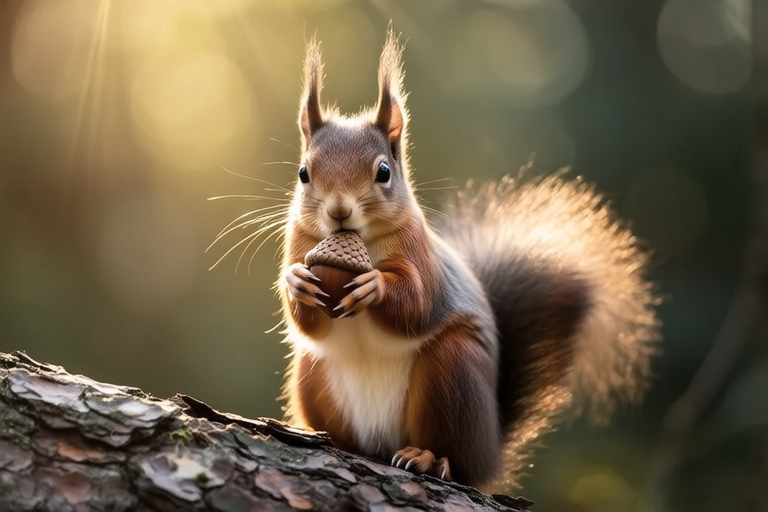
From Nuisance to Pet: How Squirrels Are Winning Hearts Worldwide
Squirrels, once viewed as mere nuisances, have increasingly captured the hearts of people around the world. Their playful antics, acrobatic skills, and endearing behaviors have transformed them from perceived pests into cherished companions. This article explores how these creatures have transitioned from wild animals to beloved pets, delving into their natural behaviors, the challenges of pet ownership, the rise of urban wildlife interaction, and heartwarming stories of human-squirrel bonds.
The Natural Behaviors of Squirrels
Squirrels are known for their remarkable agility and adaptability. Native to various environments, they thrive in forests, parks, and even urban settings. These rodents spend most of their time gathering and storing food, a behavior that ensures their survival through harsh winters. Their diet primarily consists of nuts, seeds, fruits, and occasionally insects. Squirrels are also highly territorial, defending their caches against other squirrels and potential predators.
One fascinating aspect of squirrel behavior is their ability to communicate. They use vocalizations, body language, and scent marking to convey messages. A series of chirps or barks can signal danger, while tail flicking warns others of nearby threats. Understanding these behaviors can help humans foster positive interactions with squirrels.
Challenges of Keeping Squirrels as Pets
Despite their charm, keeping squirrels as pets comes with significant challenges. Squirrels are wild animals, and their needs cannot be fully met in a domestic setting. They require large enclosures that mimic their natural habitats, including climbing structures, hiding spots, and plenty of space to exercise. Proper nutrition is crucial; a balanced diet must include a variety of nuts, seeds, and fresh produce.
Squirrels are also highly social creatures. In the wild, they live in colonies, and this social structure is essential for their mental well-being. Without adequate social interaction, pet squirrels can become stressed or depressed. Owners need to invest time in building trust and providing companionship.
Legal considerations also play a role in keeping squirrels as pets. Many countries and states have strict regulations regarding exotic animal ownership. It’s important for potential owners to research local laws before bringing a squirrel into their home.
The Growing Trend of Urban Wildlife Interaction
In recent years, there has been a noticeable increase in urban wildlife interaction. Cities are becoming more accessible to wildlife, providing opportunities for humans and animals to coexist. This trend has contributed to the growing affection for squirrels. Parks and green spaces offer ideal habitats for squirrels, allowing them to thrive alongside city dwellers.
Urban wildlife interaction promotes environmental awareness and fosters a sense of community. People who regularly encounter squirrels in their neighborhoods often develop a deep appreciation for these animals. This shift in perception has led to initiatives aimed at protecting and preserving urban wildlife, ensuring that future generations can enjoy similar experiences.
Heartwarming Stories of Human-Squirrel Bonds
Stories of human-squirrel bonds illustrate the profound impact these animals can have on our lives. One such story involves a family in Chicago who adopted a baby squirrel after its mother was hit by a car. The family nursed the squirrel back to health and eventually released it into the wild. However, the squirrel returned periodically to visit, forming a lasting bond with its human caregivers.
Another example is the tale of a woman in New York City who befriended a squirrel that frequented her backyard. Over time, the squirrel learned to associate the woman with food and would eagerly approach her whenever she was outside. The woman shared the story on social media, touching the hearts of many who resonated with the idea of peaceful coexistence between humans and wildlife.
Scientific Facts About Squirrel Care
Caring for squirrels requires knowledge of their specific needs. Squirrels are crepuscular animals, meaning they are most active during dawn and dusk. Providing them with a consistent schedule helps maintain their health and well-being. Additionally, regular veterinary check-ups are essential to monitor their overall condition and address any potential health issues.
Enrichment activities are vital for keeping squirrels mentally stimulated. Puzzle feeders, tunnels, and toys encourage problem-solving and exploration. These activities prevent boredom and promote healthy behaviors. It’s also important to provide a varied diet that includes fresh water, a mix of nuts, seeds, and vegetables. Avoid feeding them table scraps or processed foods, as these can lead to nutritional imbalances.
Maintaining Realism About Their Needs and Care Requirements
While squirrels can make wonderful companions, it’s crucial to recognize their inherent wildness. They are not domesticated pets like dogs or cats, and their care requirements reflect this. Potential owners should be prepared for the challenges of providing a suitable environment and the time commitment involved in building a trusting relationship.
Responsible ownership involves understanding and respecting the boundaries of both the squirrel and the owner. By doing so, we can ensure that these animals continue to win hearts worldwide without compromising their welfare.
