From Curiosity to Comfort: Living with a Scottish Fold Cat
Welcome to the fascinating world of Scottish Fold cats! These charming felines have captured the hearts of many with their distinctive appearance and gentle nature. In this comprehensive guide, we will explore the unique physical traits, temperament, and common health issues associated with Scottish Folds. We’ll also delve into the transition period from bringing your new pet home to establishing comfort within your household. Additionally, we’ll provide valuable tips on proper care, grooming, and training, as well as insights into their social behavior and compatibility with children and other pets. Finally, we’ll offer advice on maintaining a healthy and happy environment for your Scottish Fold cat.
Unique Physical Traits of Scottish Folds
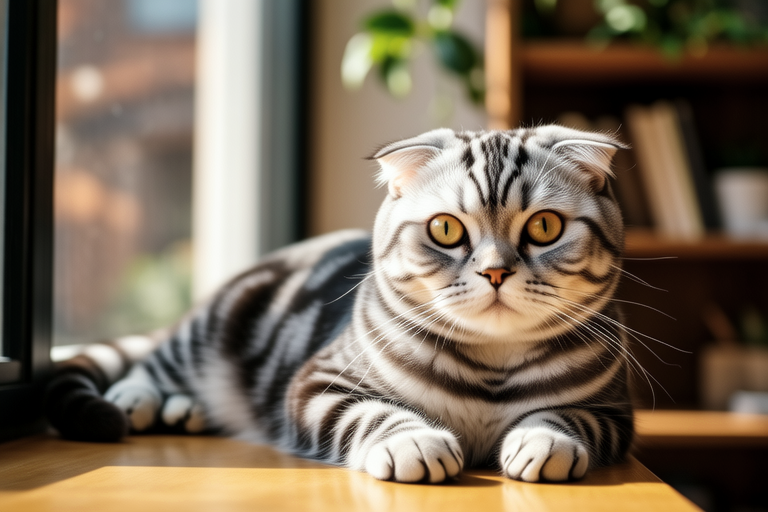
The most striking feature of Scottish Fold cats is their folded ears, which give them a distinctively owl-like appearance. This characteristic is due to a genetic mutation that causes the cartilage in their ear to fold forward and downward. Not all kittens born to Scottish Fold parents inherit this trait; only those who inherit the dominant gene from both parents will develop folded ears. The folds can vary in degree, ranging from a slight bend to a tight double or triple fold.
Scottish Folds come in a wide array of colors and patterns, including solid, tabby, bicolor, and pointed. Their medium-sized bodies are compact and well-muscled, with short legs and a rounded head. Their large, expressive eyes and small, perky noses add to their adorable appearance. Despite their small size, they possess a sturdy build that belies their agility and grace.
Temperament and Common Health Issues
Scottish Fold cats are known for their calm and affectionate demeanor. They are typically easygoing and adaptable, making them excellent companions for families and individuals alike. These cats are generally friendly towards strangers and enjoy being around people, often seeking out human interaction and attention. However, they are not overly demanding and respect personal space when needed.
While Scottish Folds are generally healthy, there are some health concerns to be aware of. One of the most significant issues is osteochondrodysplasia, a condition that affects the development of bones and cartilage. This can lead to joint problems, particularly in the tail, legs, and spine. Regular veterinary check-ups are essential to monitor the health of your Scottish Fold and address any potential issues early.
Another concern is polycystic kidney disease (PKD), a hereditary disorder that can affect Scottish Folds. PKD causes the formation of cysts in the kidneys, which can eventually lead to kidney failure. Genetic testing can help identify carriers of the disease, allowing breeders to make informed decisions about breeding programs.
The Transition Period: Bringing Your Scottish Fold Home
Bringing a new cat into your home can be an exciting but challenging experience. It’s important to prepare your household before your Scottish Fold arrives to ensure a smooth transition. Start by setting up a comfortable, quiet space for your new cat, complete with a litter box, food and water bowls, and cozy bedding. This will help your cat feel secure and at ease during the initial adjustment period.
Introduce your new pet gradually to other family members and pets in the household. Allow your Scottish Fold to explore its new surroundings at its own pace, providing plenty of opportunities for positive reinforcement and gentle encouragement. Be patient and understanding during this time, as it may take several days or even weeks for your cat to fully settle in.
Proper Care, Grooming, and Training
Scottish Folds require minimal grooming due to their short, dense coats. A weekly brushing will help remove loose hair and prevent matting. Pay special attention to areas where shedding is more prevalent, such as the underbelly and hindquarters. Bathing is usually unnecessary unless your cat gets particularly dirty or has a medical condition that requires it.
Regular dental care is crucial for maintaining your Scottish Fold’s overall health. Brush your cat’s teeth daily if possible, or at least several times a week. Dental treats and toys can also help promote good oral hygiene. Additionally, keep your cat’s nails trimmed to prevent overgrowth and discomfort.
Training your Scottish Fold can be a rewarding experience. Positive reinforcement techniques, such as clicker training and rewards-based methods, work best with these intelligent and responsive cats. Teach basic commands like ‘come,’ ‘sit,’ and ‘stay’ to strengthen the bond between you and your pet. Encourage playtime and exercise to keep your Scottish Fold physically and mentally stimulated.
Social Behavior and Interaction
Scottish Folds are social animals that thrive on interaction and companionship. They enjoy spending time with their owners and other household pets. Introducing your Scottish Fold to children requires careful supervision and guidance. Teach children how to handle and interact with the cat gently and respectfully. Encourage gentle petting, stroking, and playing to foster a positive relationship.
When introducing your Scottish Fold to other pets, start by allowing them to meet in a neutral space. Use positive reinforcement and treats to reward calm and friendly behavior. Gradually increase the amount of time your pets spend together until they are comfortable in each other’s presence. Monitor interactions closely to ensure that all pets feel safe and secure.
Maintaining a Healthy and Happy Environment
To maintain a healthy and happy environment for your Scottish Fold, provide a stimulating and enriching living space. Offer a variety of toys, scratching posts, and climbing structures to encourage physical activity and mental engagement. Rotate toys periodically to keep things interesting and prevent boredom.
Ensure your cat has access to clean, fresh water and a balanced diet. Consult with your veterinarian to determine the appropriate amount and type of food for your Scottish Fold based on age, weight, and activity level. Regular exercise and play sessions will help maintain a healthy weight and prevent obesity-related health issues.
Finally, prioritize regular veterinary care to ensure your Scottish Fold remains in optimal health. Schedule routine check-ups, vaccinations, and dental cleanings as recommended by your veterinarian. Address any health concerns promptly and follow through with prescribed treatments to maintain your cat’s well-being.
In conclusion, adopting a Scottish Fold cat is a wonderful decision that brings joy and companionship to your life. By understanding their unique physical traits, temperament, and common health issues, you can provide the care and attention necessary for a long, healthy, and happy life together. With proper preparation, care, and love, you and your Scottish Fold will form a lasting bond that will bring countless moments of happiness and companionship.
