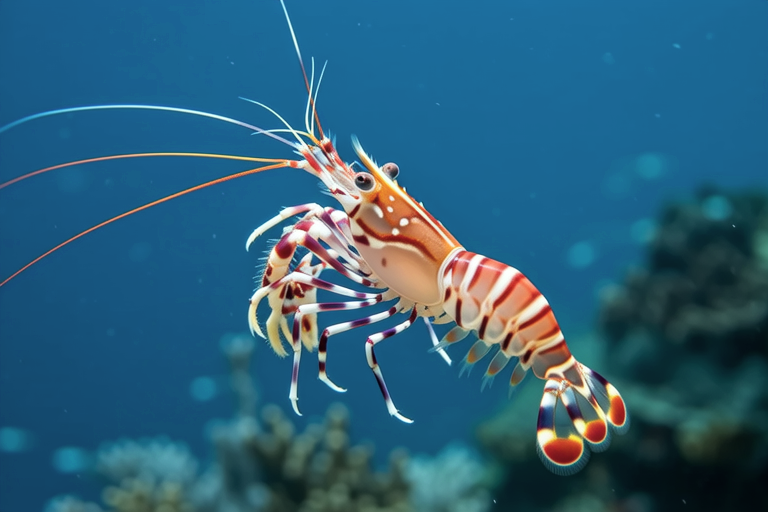
Meet the Colorful Coral Shrimp: Nature’s Tiny Underwater Artists
In the vast ocean, where mysteries abound and wonders await, there exists a tiny creature that stands out not only for its size but also for its vibrant hues and captivating presence. Meet the colorful coral shrimp, a true gem of the underwater world. These small yet striking crustaceans have captured the hearts of many divers and marine enthusiasts alike. Their iridescent colors and unique appearance make them one of the most fascinating inhabitants of the coral reefs.
The Vibrant Colors and Unique Appearance
Coral shrimp come in a wide array of colors, ranging from electric blues and vibrant pinks to deep reds and oranges. Their bodies are adorned with intricate patterns that seem almost too elaborate to be real. The contrast between their vivid coloration and the soft, translucent appendages creates a mesmerizing effect. Some species even display bioluminescence, adding an ethereal glow to their already enchanting presence. The males are often more brightly colored than the females, making it easier to spot them during dives. This striking visual appeal is not just for show; it plays a crucial role in attracting mates and signaling to potential threats.
Natural Habitat: The Coral Reefs
These tiny artists call the coral reefs home, which are some of the most diverse and complex ecosystems on Earth. Coral reefs are found in warm, shallow waters across the globe, providing shelter and sustenance for countless marine species. The coral shrimp thrive in this environment, where they can find both food and protection among the nooks and crannies of the reef structures. They are particularly fond of branching corals, such as staghorn and elkhorn, which offer ample hiding spots and surfaces for their activities.
The coral reefs serve as bustling hubs of activity, teeming with life. The coral shrimp are part of a larger community of organisms that rely on each other for survival. They engage in symbiotic relationships with various marine species, forming intricate networks of interdependence. One of the most remarkable partnerships involves the cleaner shrimp. These shrimp provide a valuable service to larger fish by removing parasites and dead skin from their scales. In return, the fish offer protection and ensure the shrimp’s safety. This mutualistic relationship exemplifies the delicate balance that exists within the reef ecosystem.
Maintaining Reef Health
The coral shrimp play a vital role in maintaining the health of the reef ecosystem. They are natural cleaners, feeding on detritus, algae, and microorganisms that could otherwise accumulate and harm the delicate coral structures. By keeping the reef clean, they help prevent the spread of disease and promote the growth of healthy corals. Additionally, they assist in controlling the population of certain algae species that can overgrow and smother the coral if left unchecked. This balancing act ensures the continued vitality of the reef, which in turn supports a wide range of marine life.
One of the most fascinating aspects of the coral shrimp’s behavior is their interaction with algae. While they feed on certain types of algae, they also play a crucial role in preventing algal blooms that could disrupt the reef’s delicate balance. Their selective feeding habits help maintain the right mix of algae species, ensuring that the coral has enough light and nutrients to thrive. This delicate dance between the shrimp and the algae underscores the complexity of marine ecosystems and the importance of every player within it.
Diet, Lifespan, and Reproduction Methods
The diet of the coral shrimp is diverse and varied, reflecting their adaptability to their environment. They are omnivorous, feeding on a combination of plant matter, microorganisms, and small invertebrates. Their primary source of nutrition comes from the plankton that drifts through the water column, as well as the algae that grow on the reef structures. This diet provides them with the necessary nutrients to thrive and reproduce.
The lifespan of coral shrimp varies depending on the species and environmental conditions. Generally, they live for around two to three years in the wild, though some individuals may live longer under optimal conditions. Their relatively short lifespan is a testament to the challenges they face in their dynamic environment. Predation, competition for resources, and changes in water quality all contribute to the delicate balance of their existence.
Reproduction in coral shrimp is a carefully orchestrated process. Most species are hermaphroditic, meaning that each individual possesses both male and female reproductive organs. This allows for greater flexibility in mating opportunities and ensures the continuation of the species. During the breeding season, pairs of shrimp engage in elaborate courtship rituals, involving color displays and tactile communication. Once fertilized, the eggs are carried by the female until they hatch into larvae. These tiny offspring then drift with the currents, eventually settling on suitable reef habitats to begin their own lives.
The Importance of Coral Shrimp in Marine Ecosystems
Despite their small size, coral shrimp are indispensable to the health and stability of marine ecosystems. Their vibrant colors and unique appearance make them a joy to observe, but their true value lies in their role as ecosystem engineers. By cleaning the reef and controlling the population of certain organisms, they contribute to the overall health and resilience of the ecosystem. Their presence serves as an indicator of a thriving reef, a symbol of biodiversity and ecological balance.
The coral shrimp’s beauty and importance extend beyond their immediate environment. They play a crucial role in the global marine ecosystem, serving as a link in the food chain and contributing to the overall health of the oceans. Their ability to adapt and thrive in challenging conditions highlights the resilience of life in the ocean. As stewards of our planet, it is essential to protect these tiny artists and the ecosystems they inhabit.
In conclusion, the colorful coral shrimp are more than just beautiful creatures; they are vital players in the intricate web of life that thrives beneath the waves. Their vibrant hues and unique appearance make them stand out, while their roles as cleaners, partners, and ecosystem engineers underscore their importance. By appreciating and protecting these tiny underwater artists, we can help ensure the continued health and beauty of our oceans for generations to come.
