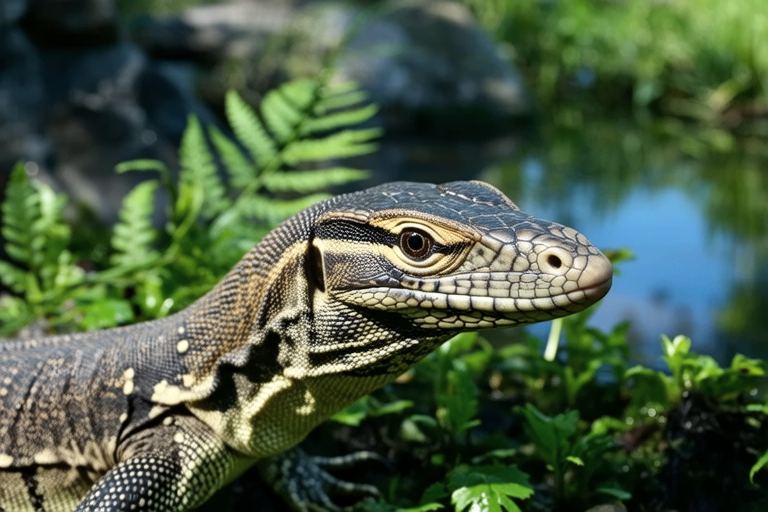
From Jungle to Aquarium: The Thrilling Life of a Water Monitor
The water monitor (Varanus salvator), one of the largest lizards in the world, commands attention with its impressive size and remarkable adaptability. Native to the lush jungles and coastal regions of Southeast Asia, these reptiles have mastered both terrestrial and aquatic environments, making them a fascinating subject for wildlife enthusiasts and pet owners alike. This article delves into the life of the water monitor, exploring its natural habitat, unique adaptations, dietary habits, and behaviors. We will also discuss the challenges and considerations of keeping a water monitor in captivity, emphasizing the responsibilities of a pet owner. Finally, we will examine the conservation status of water monitors and the importance of supporting their natural habitats.
Introduction to the Water Monitor
The water monitor is a species of monitor lizard that can grow up to 3 meters in length, with some individuals reaching even larger sizes. Their sleek bodies are covered in smooth, scaly skin that ranges from olive green to dark brown, often with yellow or white markings. These lizards are known for their powerful limbs, long tails, and sharp claws, all of which contribute to their impressive agility both on land and in water. They possess excellent eyesight and a keen sense of smell, which they use to locate prey and navigate their environment.
Native Habitats and Adaptations
Water monitors are found throughout Southeast Asia, including countries such as India, Sri Lanka, Thailand, Malaysia, Indonesia, and the Philippines. They inhabit a variety of environments, from dense tropical rainforests to mangrove swamps, riverbanks, and coastal areas. These versatile creatures are equally at home in trees and on the ground, and they are adept swimmers, often diving into rivers and lakes to escape predators or search for food.
One of the most remarkable aspects of the water monitor is its ability to thrive in both terrestrial and aquatic environments. Their streamlined bodies and strong tail allow them to swim efficiently, while their sharp claws enable them to climb trees with ease. Water monitors have a specialized lung structure that allows them to hold their breath underwater for extended periods, and their nostrils can close to prevent water from entering. Additionally, they have a forked tongue that helps them detect chemical signals in the air and water, enhancing their hunting abilities.
Diet and Behavior
Water monitors are opportunistic feeders with a diverse diet that includes small mammals, birds, eggs, insects, fish, and carrion. They play a crucial role in their ecosystem as both predator and scavenger, helping to control populations of smaller animals and recycle nutrients. In the wild, they are active during the day and spend much of their time searching for food, often covering large territories in their quest for sustenance.
Despite their formidable appearance, water monitors are generally shy and avoid confrontations with humans. However, they can become aggressive if threatened or cornered, using their powerful jaws and sharp teeth to defend themselves. They are intelligent animals that exhibit complex behaviors, such as burying themselves in mud during hot weather to regulate their body temperature or digging burrows to rest and hide from potential threats.
Captivity Considerations
For those considering keeping a water monitor as a pet, it is essential to understand the significant responsibilities involved. These lizards require a vast amount of space, specialized care, and a suitable environment that mimics their natural habitat. A captive water monitor enclosure should be spacious, with ample room for swimming, climbing, and basking. The enclosure should include a deep water area, sturdy branches for climbing, and a heated basking spot to provide warmth and ultraviolet light.
Feeding a water monitor in captivity requires careful consideration of their dietary needs. A balanced diet should consist of a variety of fresh or frozen-thawed prey items, such as mice, rats, chicks, and fish. It is important to ensure that the prey items are appropriately sized for the lizard’s age and size to prevent choking or digestive issues. Additionally, water monitors should have access to clean, fresh water at all times for drinking and soaking.
Regular veterinary check-ups and proper hygiene are vital to maintaining the health of a water monitor. Owners should consult with experienced herpetologists or veterinarians to learn about the specific health needs of these animals and to address any potential health issues promptly. Providing a stimulating environment and enriching activities can help keep the lizard mentally and physically healthy.
Conservation Status and Habitat Support
Despite their wide distribution, water monitors face numerous threats in the wild, including habitat destruction, illegal poaching for the exotic pet trade, and overharvesting for their skins. Many populations are declining due to these pressures, leading to concerns about their long-term survival. Conservation efforts are underway to protect water monitors and their habitats, but more support is needed to ensure their future.
Supporting conservation initiatives and responsible pet ownership practices can make a significant difference in preserving water monitor populations. Purchasing from reputable breeders who adhere to ethical standards and avoiding wild-caught animals can help reduce demand for illegally traded specimens. Additionally, supporting protected areas and wildlife reserves can provide safe havens for water monitors and other species.
Understanding and appreciating the water monitor’s unique place in nature can inspire people to take action to protect these magnificent creatures. By learning about their biology, behavior, and ecological roles, we can foster a greater appreciation for these animals and work towards ensuring their continued existence in the wild.
Conclusion
The water monitor is a truly remarkable animal, adapted to thrive in both terrestrial and aquatic environments. Its impressive size, agility, and intelligence make it a captivating subject for study and admiration. However, keeping a water monitor as a pet requires significant commitment and responsibility, as these lizards have complex care needs and require a suitable environment to thrive.
By understanding the challenges and considerations of keeping a water monitor in captivity, we can better appreciate the importance of supporting their natural habitats and conservation efforts. Let us work together to ensure that these magnificent creatures continue to captivate and inspire future generations.
