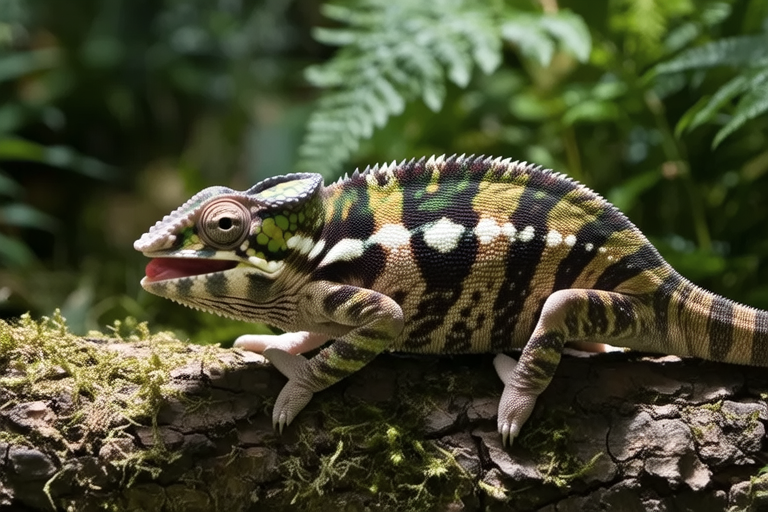
The Ultimate Chameleon Care Manual Every Owner Needs to Know
Welcome to the comprehensive guide on chameleon care! This manual will cover everything from setting up the ideal habitat to understanding their dietary needs and maintaining their health. Whether you’re a first-time owner or an experienced keeper, this guide aims to provide actionable advice to ensure your chameleon thrives.
Enclosure Setup
The first step in providing optimal care for your chameleon is setting up the right enclosure. Chameleons require spacious environments that mimic their natural habitats.
- Enclosure Size: The minimum recommended size for a single chameleon is 3 feet wide, 3 feet deep, and 4 feet tall. Larger enclosures are better, especially for adult males who need more space to display territorial behavior.
- Branches and Climbing Structures: Provide plenty of sturdy branches and vines at varying heights. Chameleons spend most of their time perching, so it’s important to offer a variety of climbing options.
- Hiding Spots: Include plants or artificial foliage for hiding and privacy. However, avoid overcrowding the enclosure as chameleons prefer open spaces.
Lighting Requirements
Chameleons rely on specific lighting to meet their physiological needs.
- UVB Lighting: Install a high-quality UVB bulb that covers at least 75% of the enclosure. UVB helps chameleons synthesize vitamin D3, which is crucial for calcium absorption. Replace bulbs every six months even if they still appear functional.
- Basking Spot: Position a basking spot with a temperature range of 95°F to 100°F (35°C to 38°C). Use a ceramic heat emitter or a reptile-specific basking lamp.
- Daylight Cycle: Maintain a 12-hour light cycle, simulating day and night. Turn off all lights at night to allow your chameleon to rest.
Temperature and Humidity Levels
Maintaining proper temperature and humidity is vital for your chameleon’s health.
- Temperature Gradient: Keep the warm side between 85°F and 90°F (29°C to 32°C) while the cool side should be around 70°F to 75°F (21°C to 24°C).
- Humidity: Aim for 40% to 60% humidity during the day, increasing to 70% to 80% at night. Use misters or foggers to achieve these levels.
Dietary Needs
Chameleons are insectivores, requiring a diverse diet rich in nutrients.
- Insects: Feed your chameleon a variety of insects such as crickets, dubia roaches, and waxworms. Gut load insects with nutritious foods before offering them to your chameleon.
- Supplementation: Dust insects with calcium powder twice weekly and multivitamins once a week. Avoid over-supplementing as it can lead to health issues.
- Feeding Techniques: Place food in different locations within the enclosure to encourage natural hunting behaviors. Remove any uneaten insects after a few hours to prevent stress or injury.
Health Concerns and Common Diseases
Regular monitoring is key to catching potential health issues early.
- Metabolic Bone Disease (MBD): Caused by calcium deficiency, symptoms include lethargy, swollen limbs, and difficulty moving. Ensure adequate UVB exposure and proper supplementation.
- Fungal Infections: Characterized by patches of white fungus on the skin or mouth. Improve ventilation and reduce humidity if necessary.
- Parasites: Regular fecal exams can help detect internal parasites. Consult a veterinarian for treatment options.
Safe Handling Practices
Chameleons are delicate creatures and should be handled with care.
- Minimize Handling: Chameleons are not social animals and do not enjoy being held. Limit handling to necessary tasks only.
- Supportive Handling: If you must handle your chameleon, support its body fully. Never grab them by the tail or legs.
- Use a Hook: For transporting or moving your chameleon, use a soft-tipped hook designed for reptiles.
Cleaning and Maintenance Tips
A clean enclosure is essential for your chameleon’s well-being.
- Spot Cleaning: Remove waste daily to maintain hygiene.
- Deep Cleaning: Perform a thorough cleaning every two weeks. Disassemble the enclosure, wash all surfaces with a reptile-safe cleaner, and rinse thoroughly.
- Substrate: Avoid substrates like sand or gravel that can cause impaction. Opt for paper towels or reptile carpet.
Behavioral Insights
Understanding chameleon behavior can enhance your care routine.
- Color Changes: Chameleons change color for various reasons including mood, temperature regulation, and communication.
- Shedding: Monitor your chameleon during shedding. Ensure humidity levels are appropriate to aid the process. Assist with stuck shed under veterinary guidance.
- Aggression: Male chameleons may become aggressive towards each other. Housing multiple males together is not recommended.
Tips for Creating a Stimulating Environment
Creating an enriching environment promotes mental and physical health.
- Variety: Rotate toys and decorations periodically to keep your chameleon engaged.
- Plants: Incorporate live plants that are safe for chameleons. Plants not only provide enrichment but also improve air quality.
- Social Interaction: While chameleons are solitary animals, some may enjoy observing their surroundings through the glass. Avoid sudden movements near the enclosure.
By following these guidelines, you can create a thriving home for your chameleon. Remember, the goal is to replicate their natural environment as closely as possible, ensuring they live long, healthy lives.
