5 Surprising Facts About Betta Fish You Need to Know
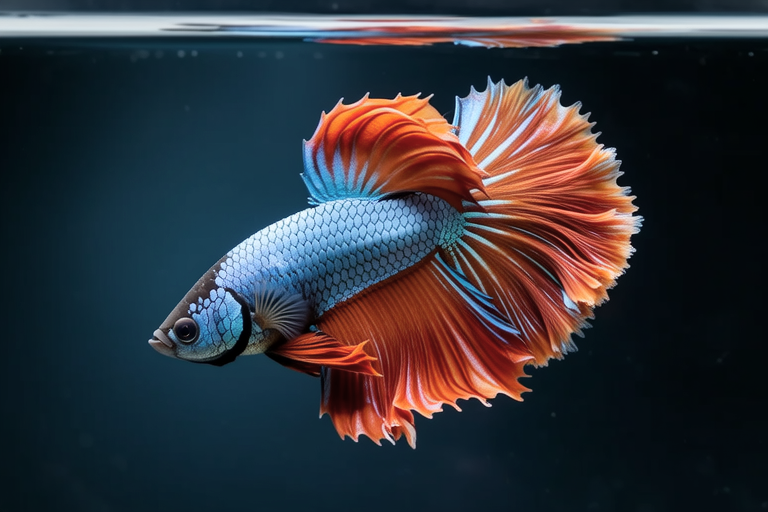
Betta fish, also known as Siamese fighting fish, are popular among aquarium enthusiasts for their vibrant colors and flowing fins. Despite their widespread appeal, there are several lesser-known aspects of betta fish biology and behavior that can significantly enhance their care and overall well-being. This article delves into five surprising facts about betta fish that every aquarist should be aware of.
Fact 1: Bettas Can Breathe Air
One of the most fascinating characteristics of betta fish is their ability to breathe air. Unlike most other fish, bettas have a labyrinth organ located above their gills, which allows them to extract oxygen from the air. This adaptation is particularly useful in their natural habitat, which often consists of stagnant or low-oxygen water. The labyrinth organ enables bettas to survive in environments where other fish might suffocate.
For aquarists, this means that while it’s important to maintain good water quality, bettas don’t require an extremely high level of dissolved oxygen. However, it’s crucial to ensure that the water surface remains unobstructed so that your betta can access the air it needs. A small amount of surface agitation can help, but avoid overly strong filters that could prevent your betta from reaching the surface.
Fact 2: Bettas Are Solitary Creatures
Despite their popularity as community tank residents, bettas are actually solitary animals. In the wild, they live alone, defending their territory against intruders. Male bettas, especially, are highly aggressive towards other males and even towards female bettas if the space is too confined. This territorial nature is why they are sometimes referred to as “Siamese fighting fish.”
When setting up a tank for a betta, it’s essential to provide ample hiding spots and plants to simulate their natural environment. While some aquarists successfully keep bettas with non-aggressive tank mates, it’s vital to research each potential companion carefully. Some peaceful options include certain types of snails, shrimp, and slow-moving fish like corydoras catfish. Always monitor interactions closely to ensure the safety of all inhabitants.
Fact 3: Bettas Have Personalities
Betta fish are not just beautiful; they’re also intelligent and have distinct personalities. Many aquarists report that their bettas respond to their presence, recognizing their owners and even showing signs of anticipation when fed. Some bettas might swim towards the front of the tank at feeding time, while others might exhibit more reserved behavior.
To encourage interaction and mental stimulation, consider providing your betta with toys or interactive objects. Floating decorations, mirrors (for a short period), and gentle tapping on the glass can engage your betta’s curiosity and intelligence. However, be cautious with mirrors, as prolonged exposure can cause stress or aggression. Regular interaction can strengthen the bond between you and your betta, making their care more rewarding.
Fact 4: Bettas Require a Balanced Diet
While bettas are often fed a diet primarily consisting of betta pellets, it’s important to understand that a varied diet is crucial for their health. Bettas are omnivores, meaning they need both plant-based and protein-rich foods to thrive. A balanced diet should include high-protein options such as freeze-dried bloodworms, brine shrimp, and daphnia, along with vegetable matter like blanched peas or spirulina flakes.
Overfeeding is a common issue among betta owners, leading to obesity and health problems. It’s recommended to feed your betta twice daily, offering only what they can consume within two minutes. This practice not only maintains their weight but also prevents waste accumulation in the tank, which can lead to poor water quality.
Fact 5: Bettas Can Live Longer Than Expected
Contrary to popular belief, bettas can live longer than many people expect. With proper care, including a healthy diet, clean water, and a stress-free environment, bettas can live up to three years or more. Unfortunately, many bettas don’t reach their full lifespan due to poor living conditions or inadequate care.
To extend the life of your betta, focus on maintaining optimal water parameters. Keep the temperature between 76-82°F (24-28°C) and perform regular water changes to remove toxins and maintain a stable pH level between 6.5 and 7.5. Additionally, avoid overcrowding the tank, which can increase stress levels and promote disease.
Summary
Understanding these five surprising facts about betta fish can greatly improve their care and longevity. From their unique ability to breathe air to their solitary nature and the importance of a balanced diet, each aspect highlights the complexity and beauty of these captivating creatures. By providing a suitable environment and attentive care, aquarists can ensure that their bettas live long, healthy, and happy lives.
Whether you’re a seasoned aquarist or a beginner, taking the time to learn about the specific needs and behaviors of betta fish will undoubtedly enrich your experience and deepen your connection with these remarkable pets. Remember, the key to successful betta care lies in understanding their unique biology and adjusting your practices accordingly. Happy fishkeeping!
