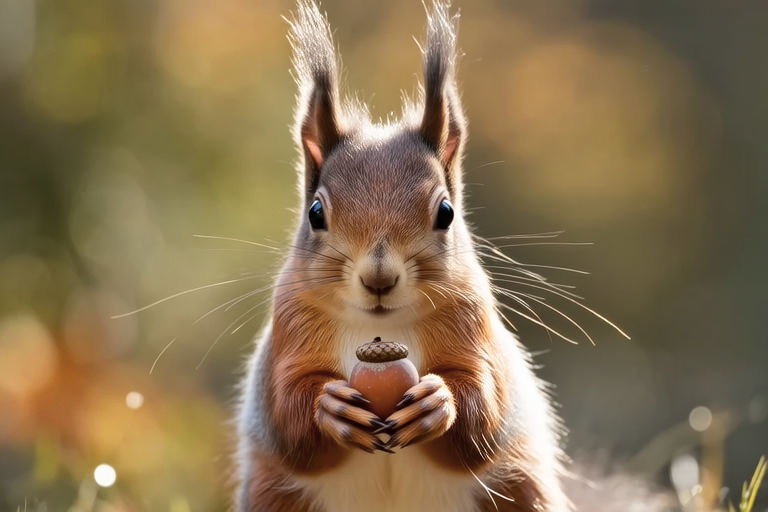
Exploring Local Squirrels: Balancing Adorableness with Nuisance
Local squirrels are a common sight in many urban and suburban areas. They are known for their bushy tails and playful antics, making them a beloved part of our daily lives. However, these small creatures also have their share of mischievous moments that can be a bit frustrating. Let’s delve into their behaviors and habits, exploring both their charming traits and the potential nuisances they may cause.
Feeding Patterns: The Secret Lives of Squirrels
Squirrels are diurnal animals, meaning they are most active during the day. Their diet is diverse and includes seeds, nuts, fruits, fungi, and even insects. They have a remarkable ability to find food sources, thanks to their keen sense of smell and sharp eyesight. In urban settings, squirrels often rely on bird feeders, gardens, and compost piles for sustenance.
One fascinating aspect of their feeding behavior is their tendency to cache food for later consumption. This process, known as larder hoarding, involves burying nuts and seeds in various locations throughout their territory. Studies have shown that squirrels can remember the location of up to 90% of their caches, showcasing their impressive spatial memory.
Nesting Habits: A Home Sweet Home
When it comes to nesting, squirrels are resourceful and adaptable. They build nests called dreys, typically made from twigs, leaves, and moss. These dreys provide shelter from harsh weather conditions and protect them from predators. In urban environments, squirrels may also take refuge in attics or crawl spaces, especially when natural nesting sites are scarce.
The breeding season for squirrels usually occurs twice a year, once in late winter and again in midsummer. During this time, females give birth to litters of two to four babies, which are born blind and hairless. The mother squirrel takes great care of her offspring, nursing them until they are old enough to venture outside the nest.
Interactions with Humans: A Love-Hate Relationship
Squirrels’ playful nature and curiosity often bring them into close contact with humans. Many people enjoy watching squirrels scurry around parks and backyards, finding amusement in their acrobatic feats. However, there are times when their presence can become a nuisance.
In urban areas, squirrels can sometimes damage gardens by digging up newly planted bulbs or nibbling on vegetables. They may also chew through electrical wires, causing power outages. Despite these occasional annoyances, squirrels play an important role in maintaining healthy ecosystems.
The Role of Squirrels in Local Ecosystems
Scientific research has highlighted the significant contribution of squirrels to local ecosystems. As seed dispersers, they help regenerate forests by spreading seeds far from parent trees. This process increases genetic diversity within plant populations and promotes forest health. Additionally, squirrels serve as prey for larger animals like hawks, foxes, and owls, playing a crucial role in the food chain.
Recent studies have explored the impact of climate change on squirrel behavior. Warmer temperatures and altered rainfall patterns have been linked to changes in foraging habits and breeding cycles. Researchers are monitoring these shifts to better understand how squirrels adapt to environmental challenges.
Tips for Coexisting Peacefully with Squirrels
Living alongside squirrels doesn’t have to be a constant battle. By adopting some simple strategies, you can minimize conflicts and create a harmonious relationship with these furry neighbors.
- Secure Trash Cans: Ensure that your trash cans are tightly sealed to prevent squirrels from rummaging through your garbage.
- Protect Bird Feeders: Use squirrel-proof feeders or place baffles on poles to deter squirrels from accessing birdseed.
- Keep Gardens Safe: Cover exposed bulbs with wire mesh or plant them deeper in the ground to discourage squirrels from digging.
- Seal Entry Points: Inspect your home for any openings where squirrels might enter and seal them off to prevent structural damage.
By implementing these practices, you can enjoy the company of squirrels without experiencing the negative effects of their presence.
A Closer Look at Urban Squirrels
In cities, squirrels face unique challenges and opportunities. They have adapted to life among buildings, cars, and people, developing new survival skills along the way. Urban squirrels tend to be bolder and more opportunistic than their rural counterparts, taking advantage of human-provided resources.
Studies have shown that urban squirrels exhibit different social structures compared to those living in more natural habitats. In cities, they form loose associations with other squirrels, sharing information about food sources and potential dangers. This collaborative behavior helps them thrive in complex environments.
Researchers are particularly interested in understanding how urbanization affects squirrel behavior over time. By tracking changes in population density, movement patterns, and dietary preferences, scientists hope to gain insights into the long-term impacts of human development on wildlife.
Conclusion
Local squirrels offer a delightful glimpse into the natural world, bringing joy and wonder to our everyday lives. While they may occasionally cause minor inconveniences, their positive contributions to ecosystems cannot be overlooked. By learning more about their behaviors and implementing practical solutions for peaceful coexistence, we can continue to appreciate these charming creatures and ensure their well-being for generations to come.
